
PRIZES
AQUISITION PRIZE
Contextile 2026
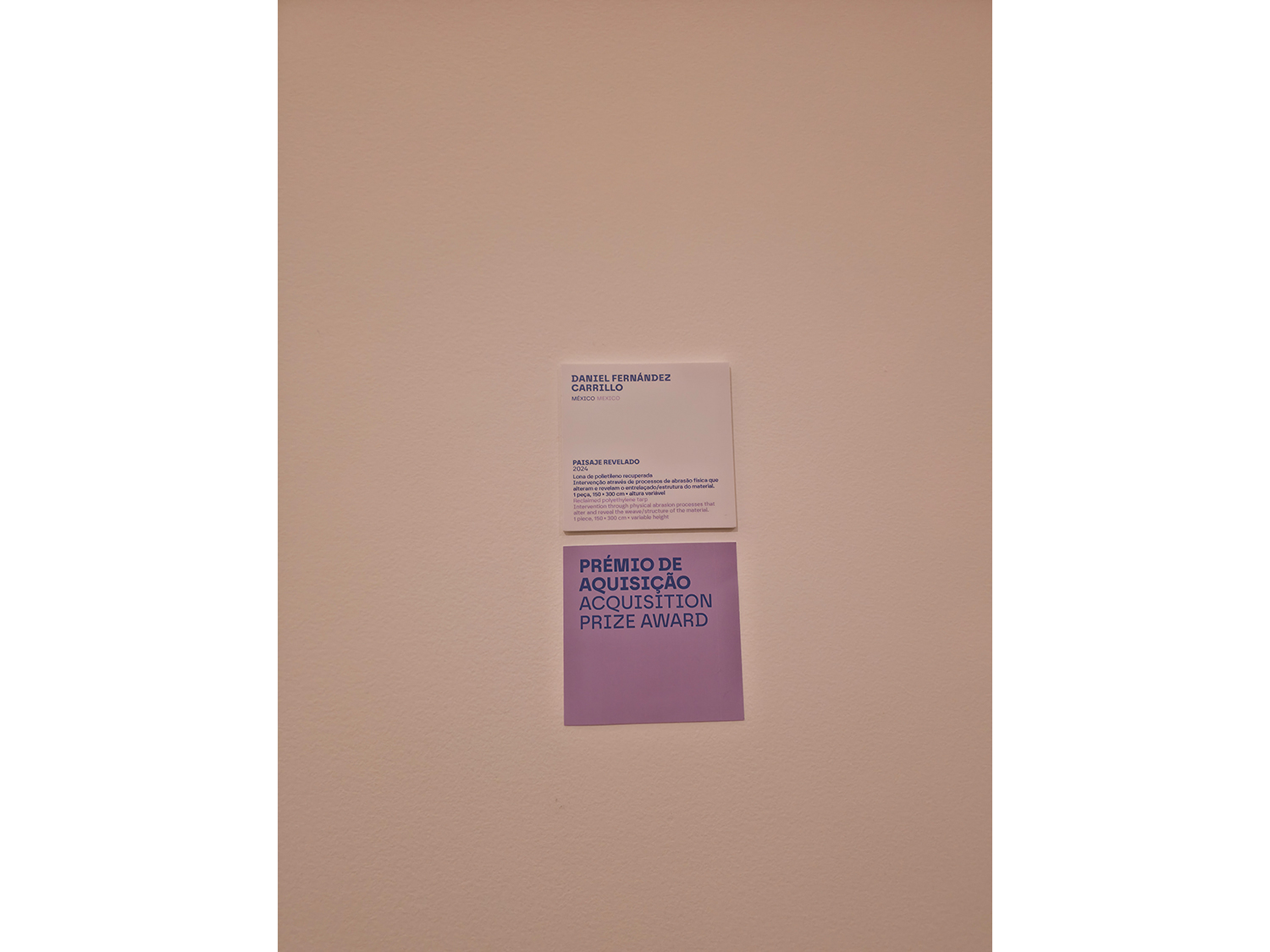
DANIEL FERNÁNDEZ CARRILLO
MEXICO
Paisaje revelado, 2024
Reclaimed polyethylene tarp.
Intervention through physical abrasion processes that alter and reveal the weave/structure of the material.
1 piece 150 × 300 cm, variable height
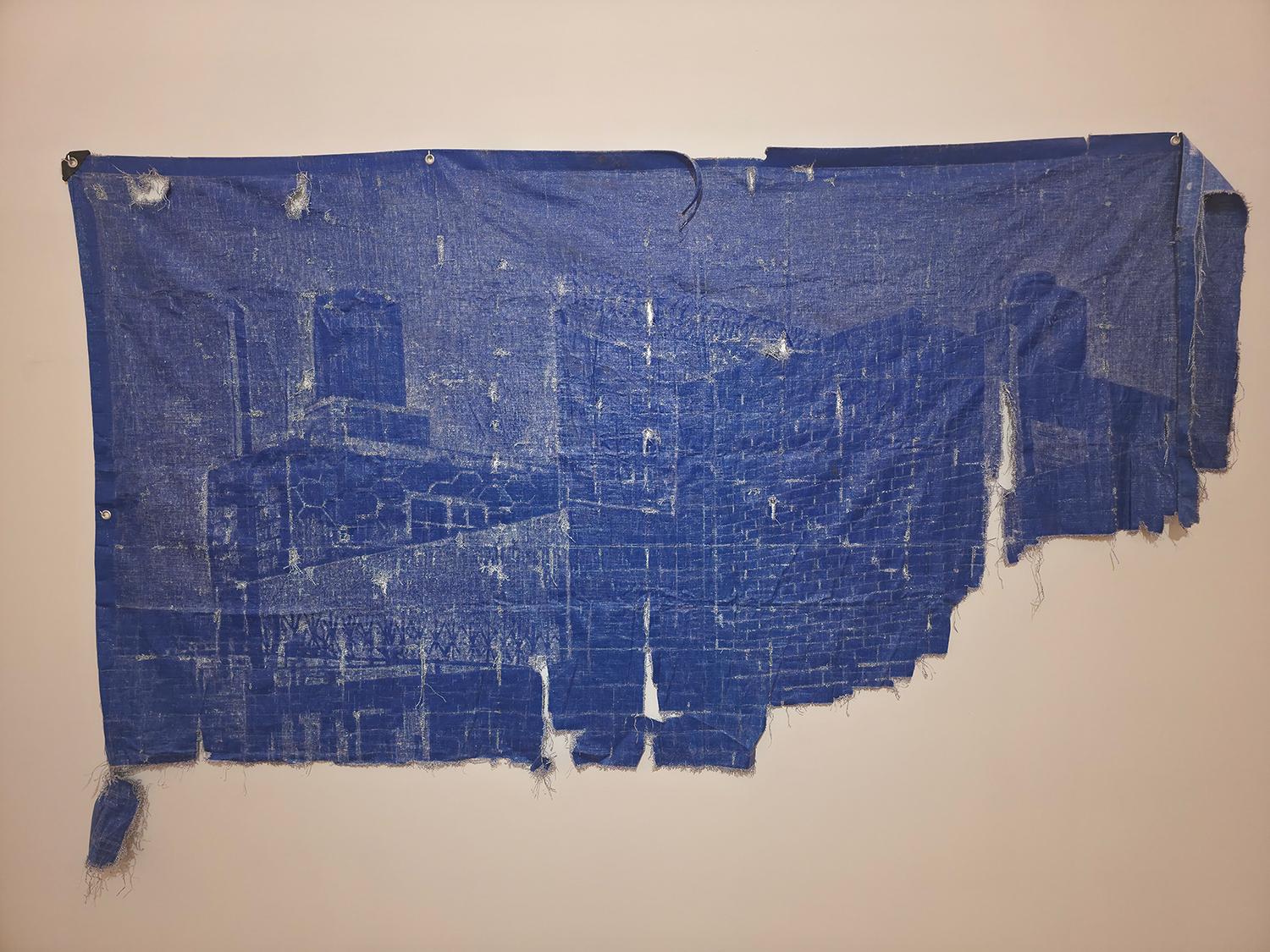
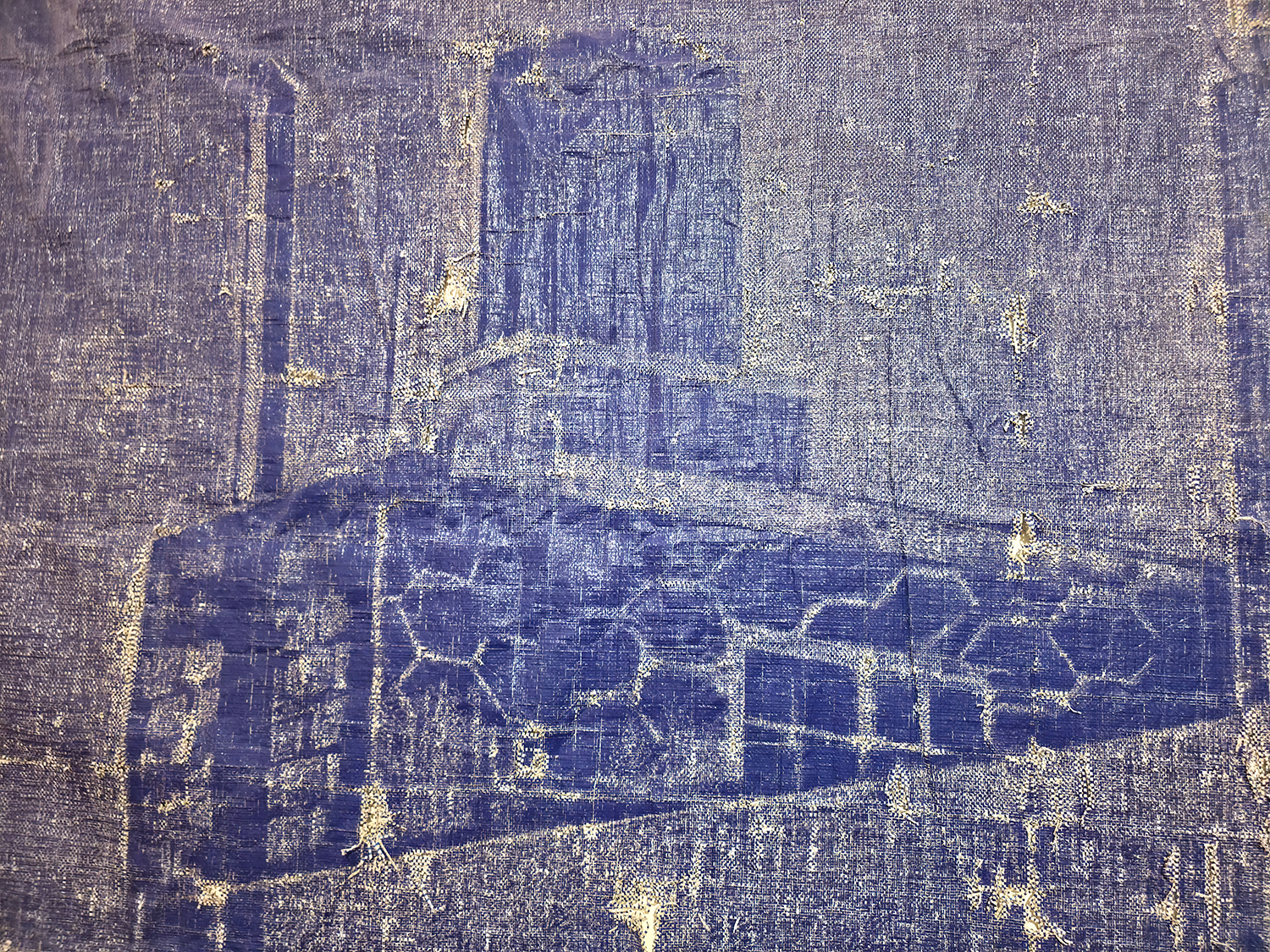
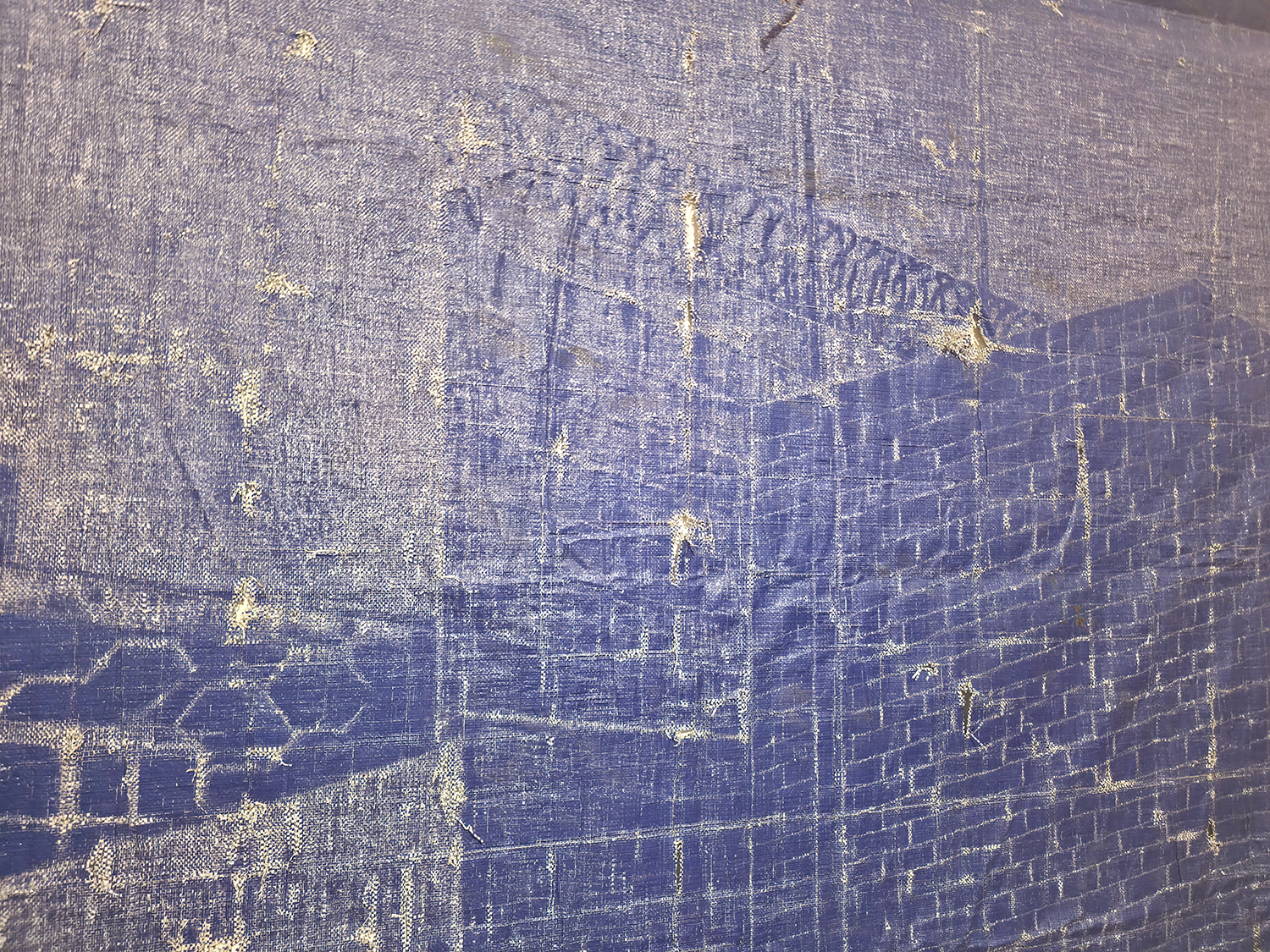
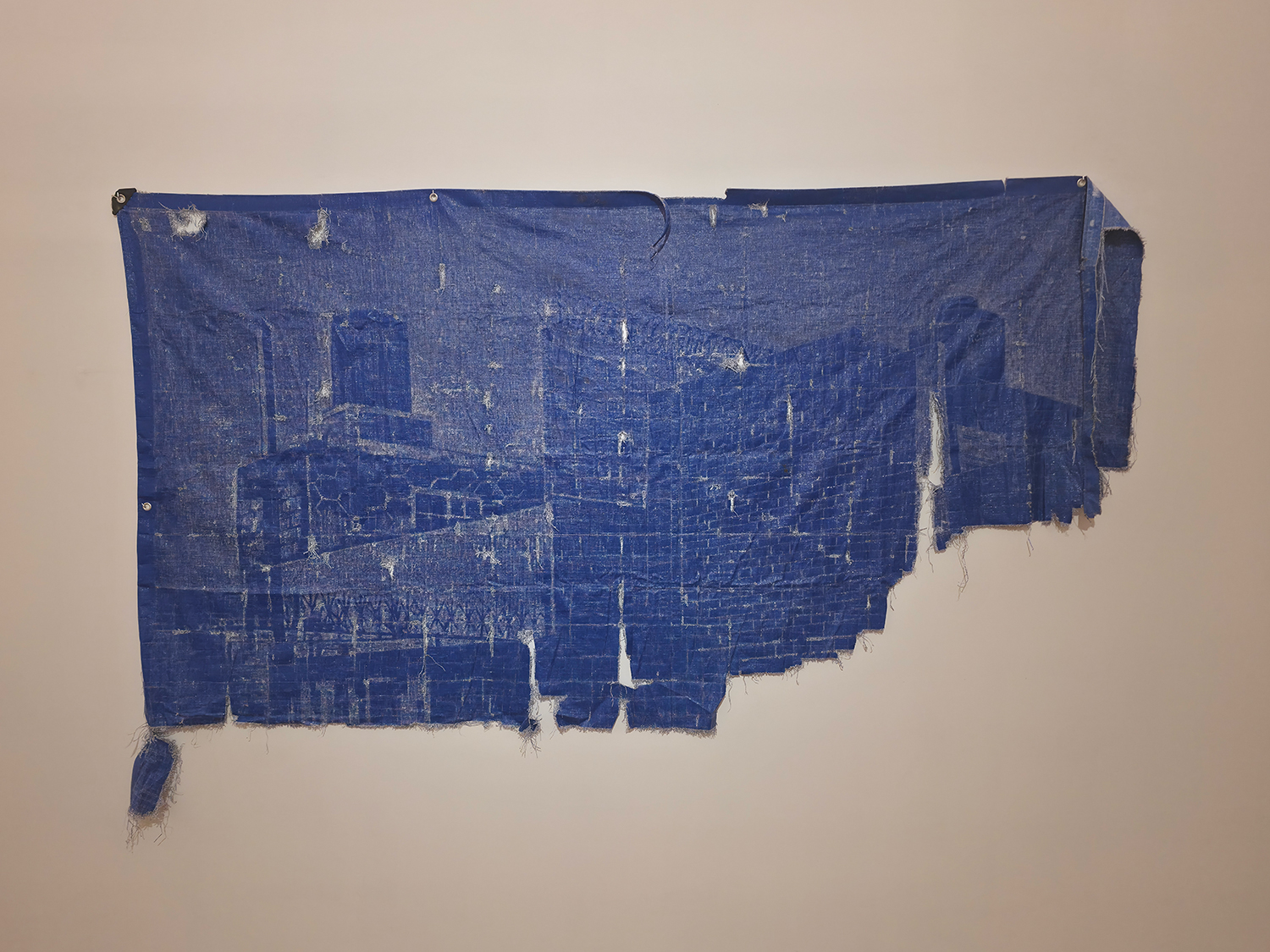
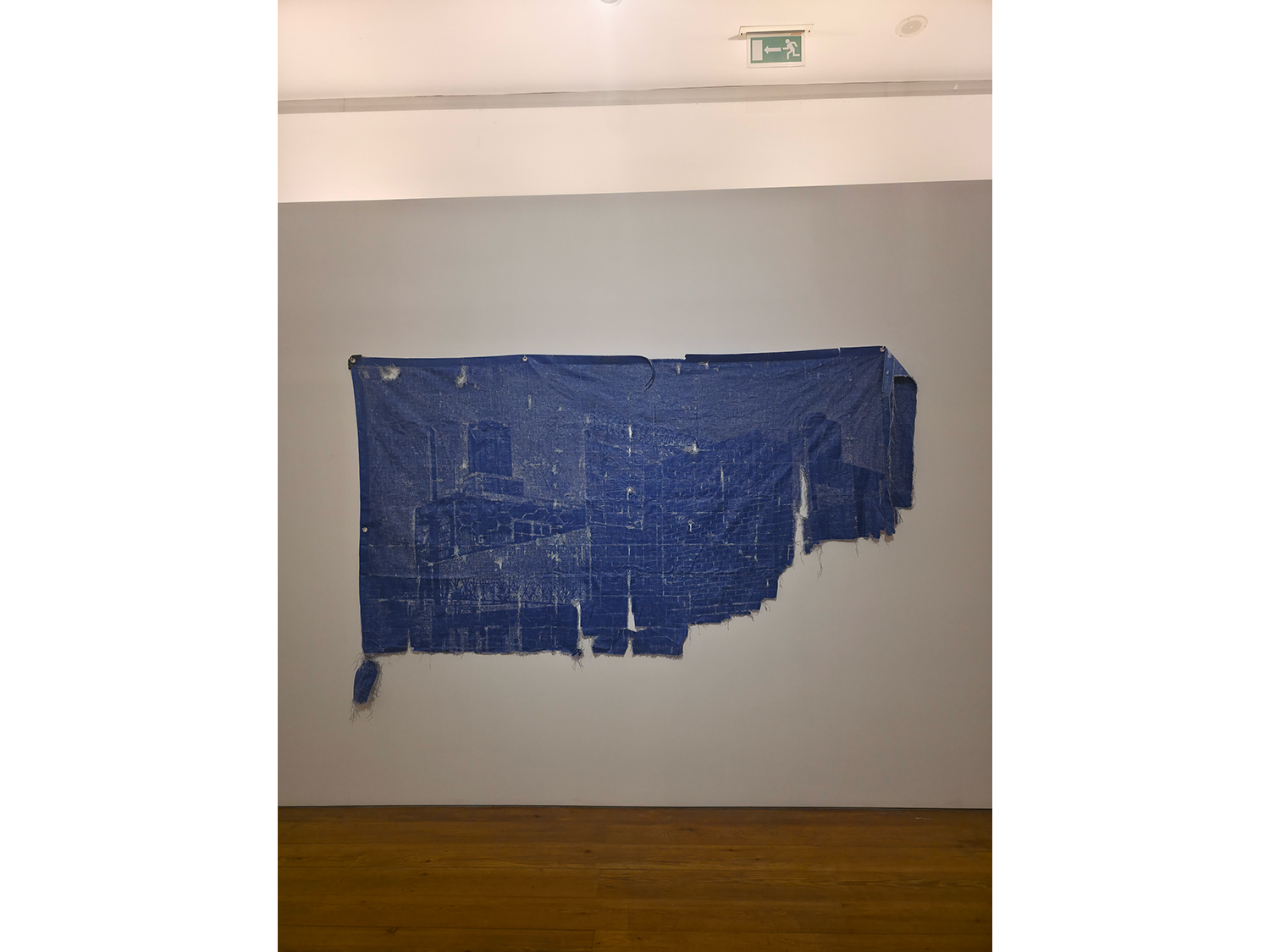
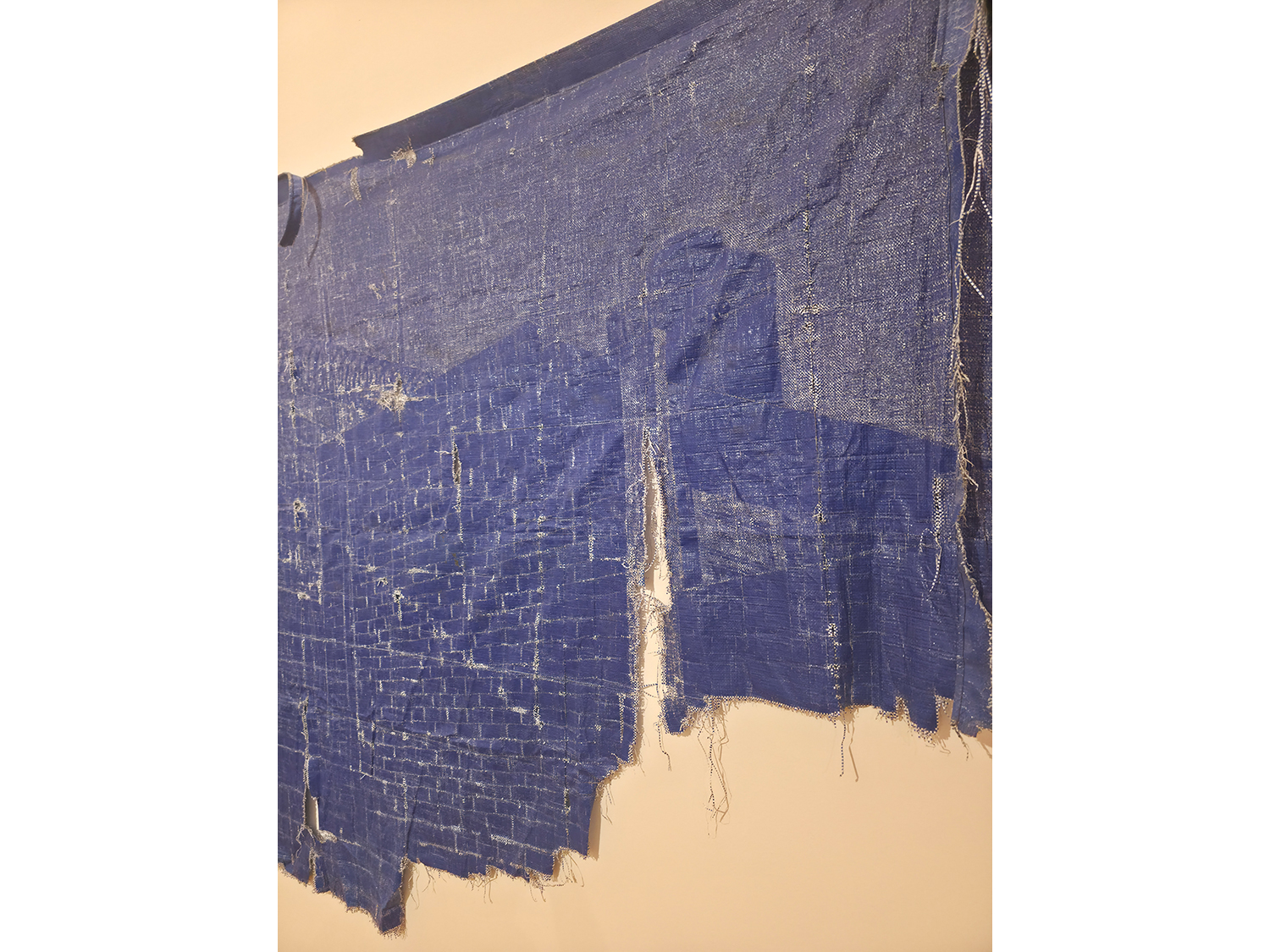
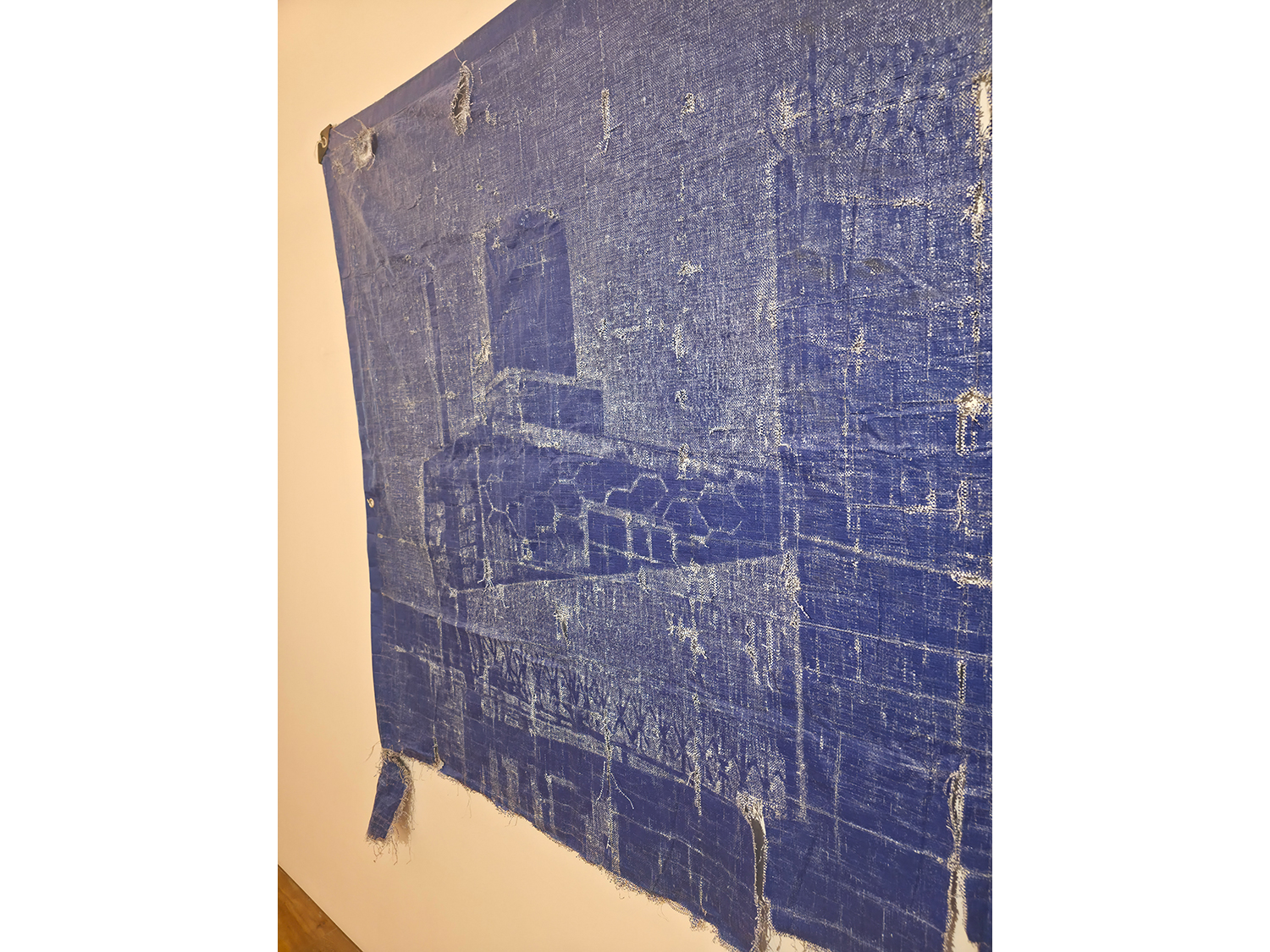
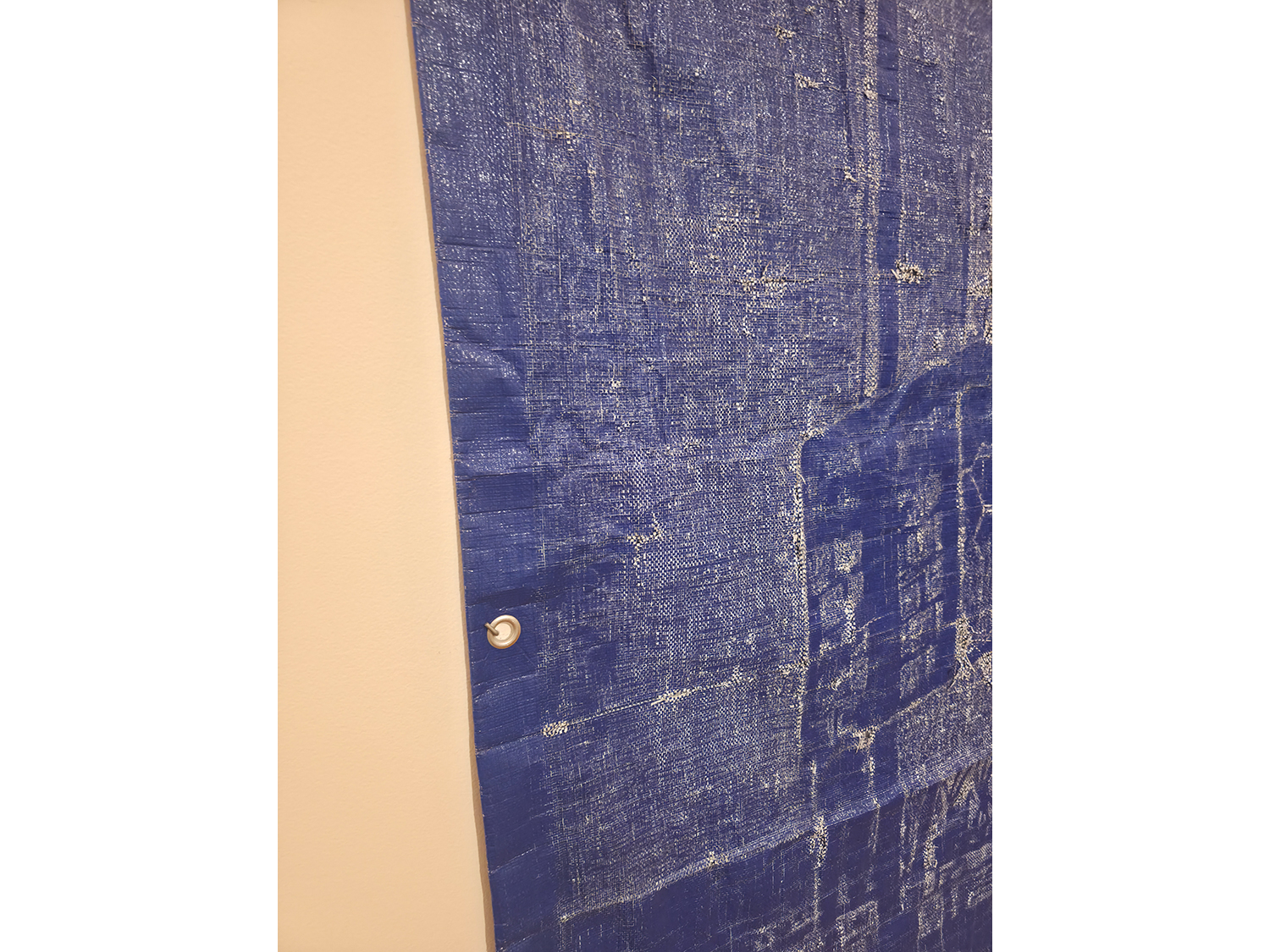
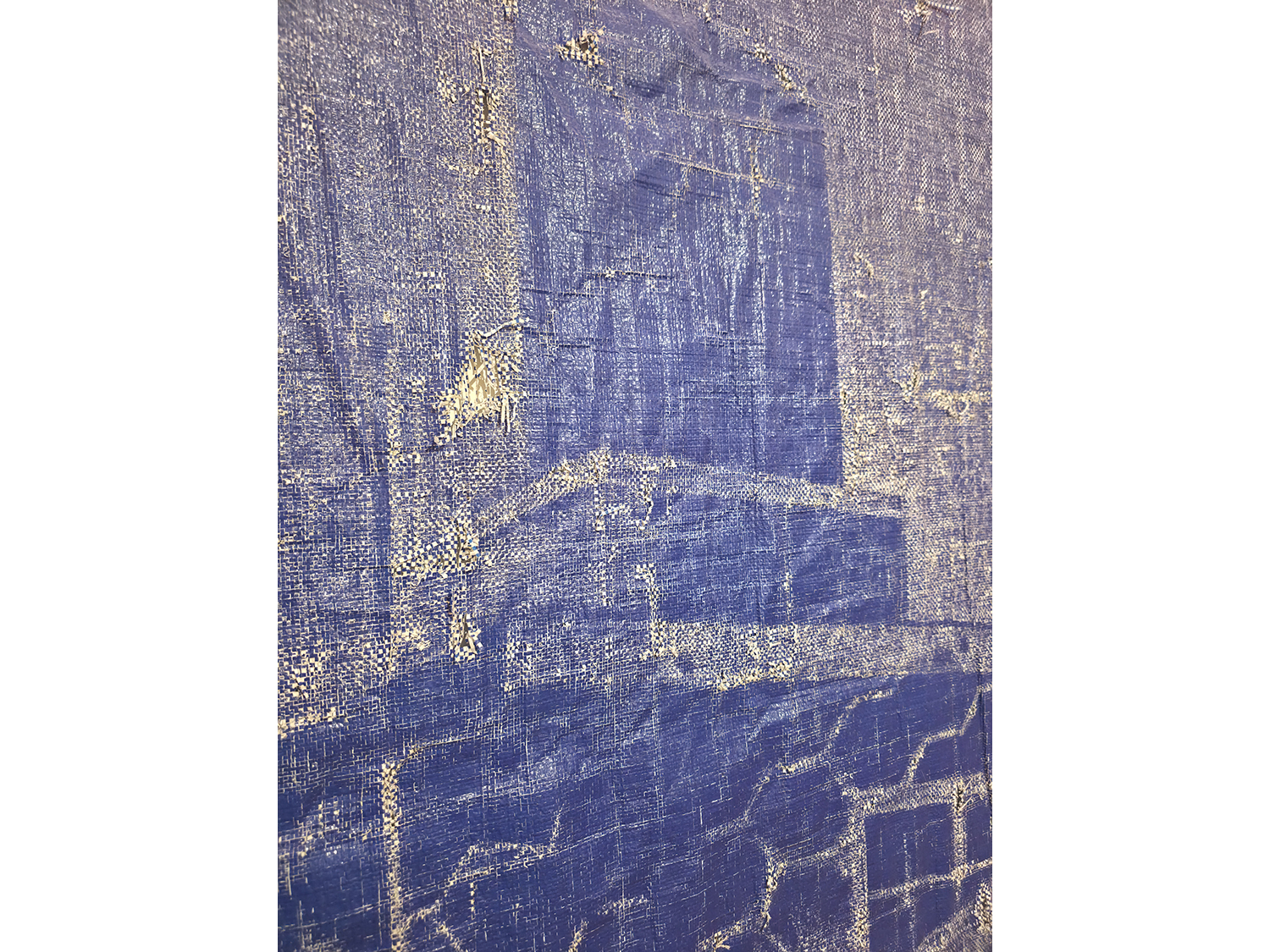
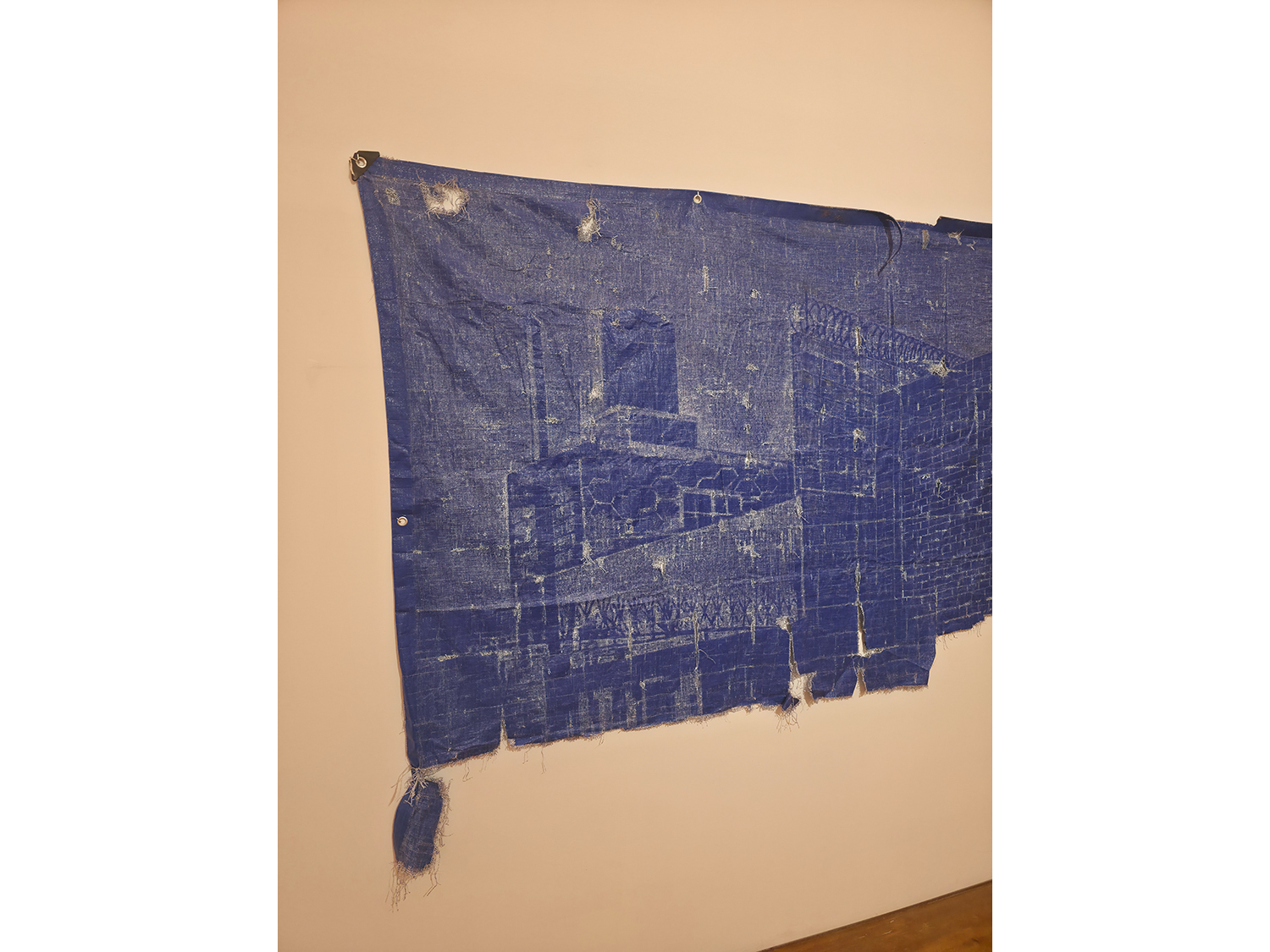
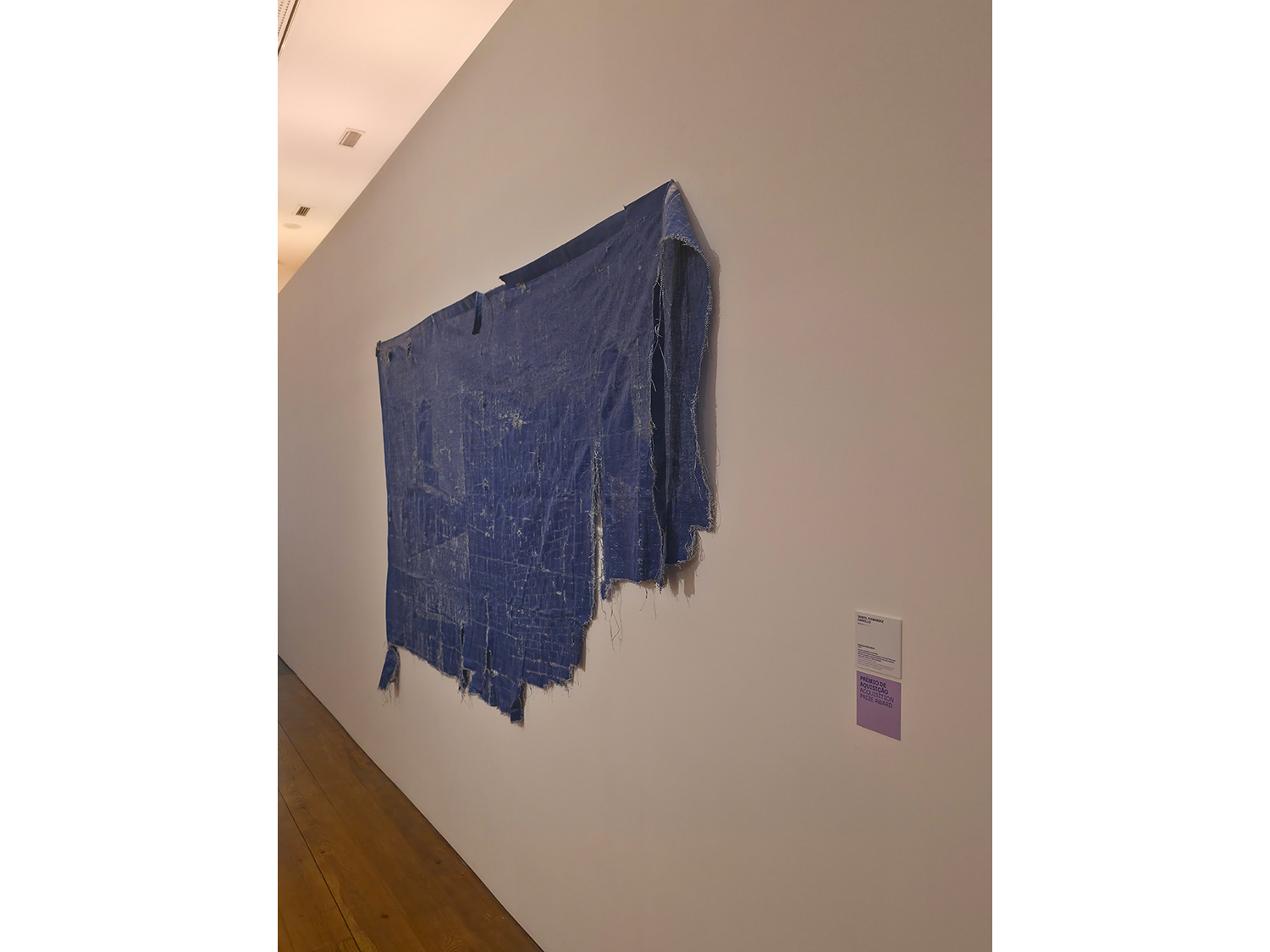
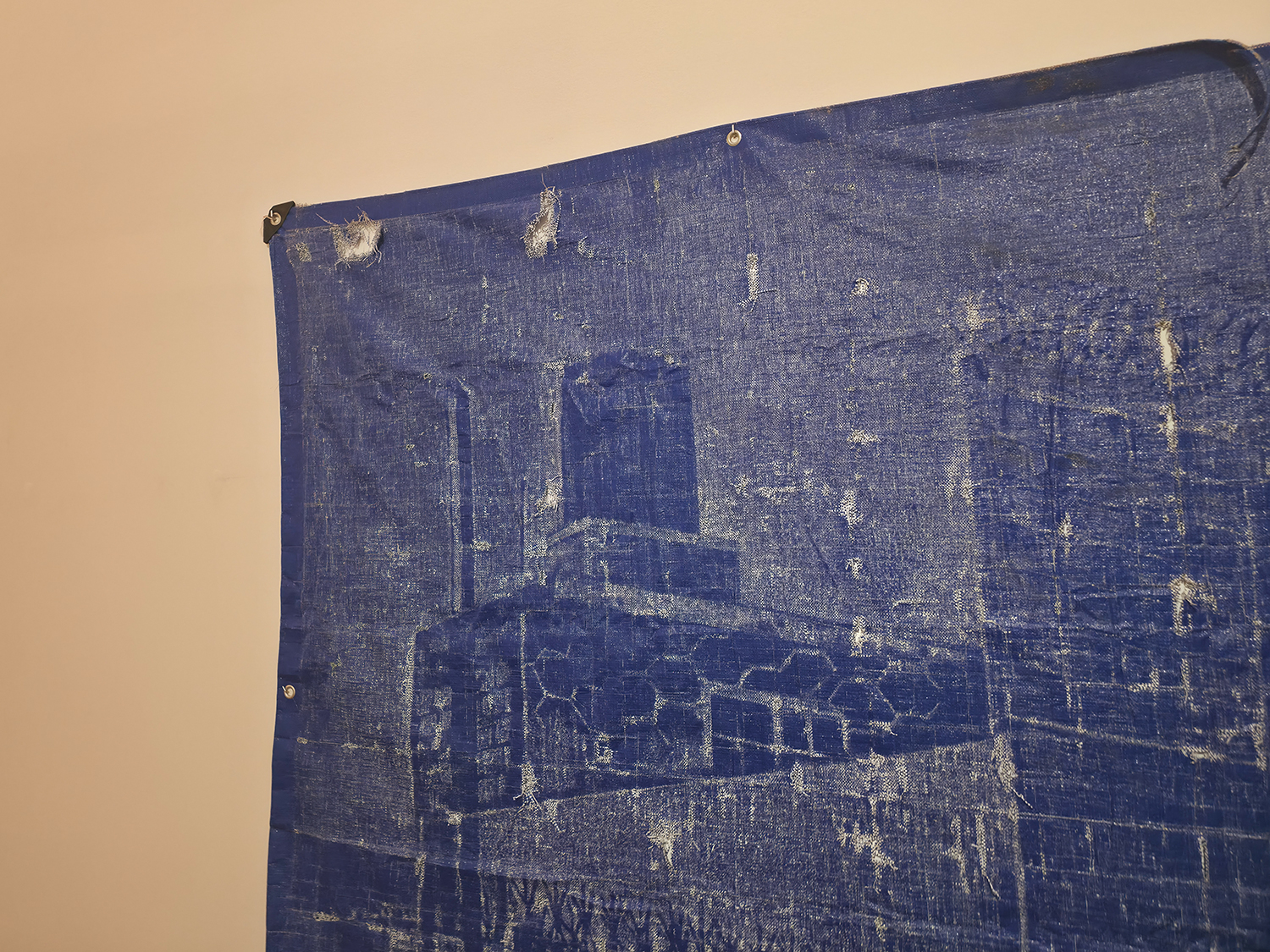
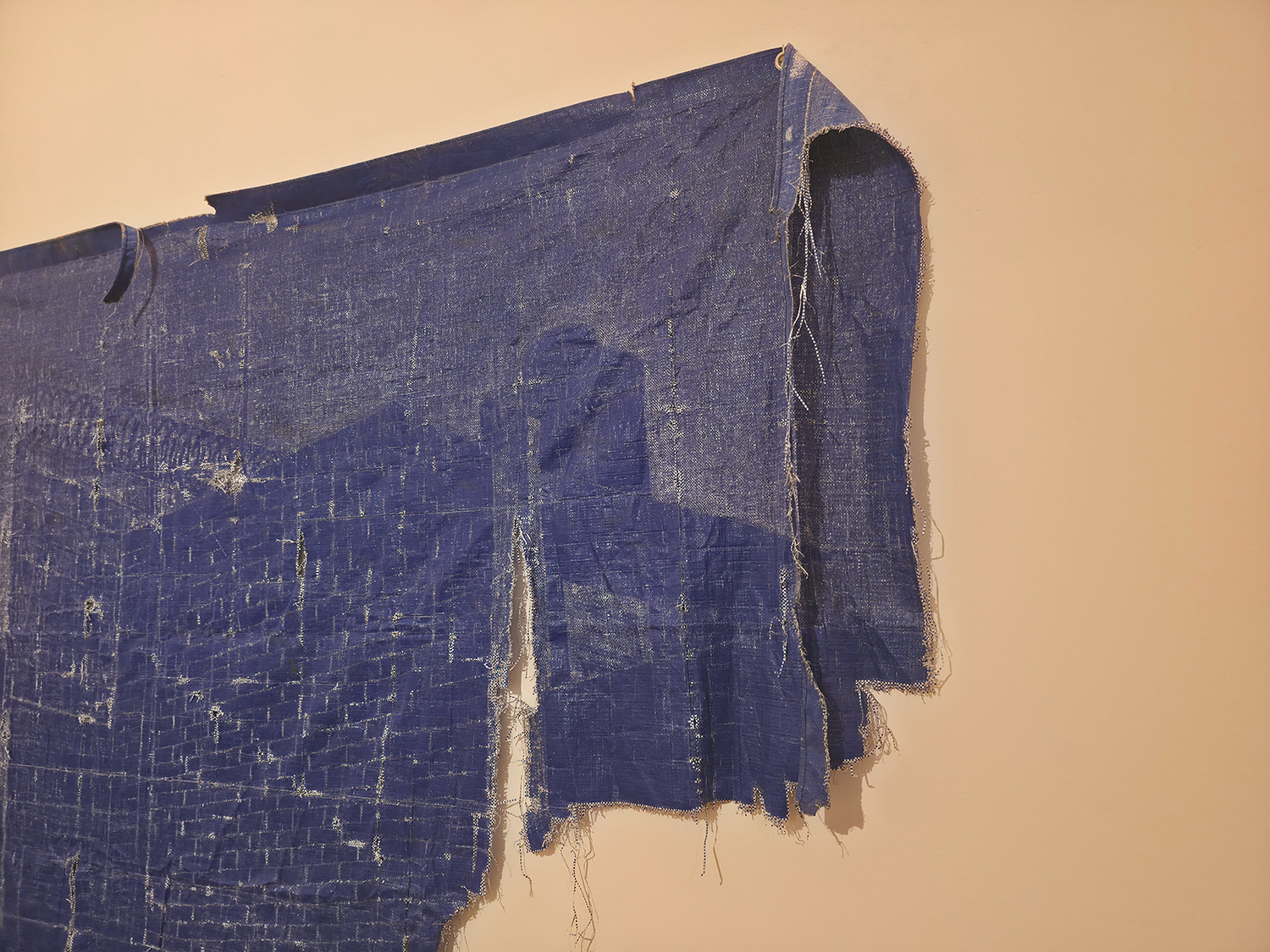
In this work, I explore the relationship between material, time, and territory through the intervention of a reclaimed polyethylene tarp, an industrial material of interwoven plastic fibers functioning as an urban fabric. In Mexico, these tarps are part of the everyday landscape, covering patios, workshops, or markets to mediate between domestic space and the urban environment. The drawing emerges through the wear of the plastic layer. Rather than adding pigment, I gradually erode the surface, replicating the natural deterioration caused by the sun and time. This gesture reveals an image: the urban landscape visible from the patio where the tarp was originally installed. By working through the material’s deterioration, I reveal the structure of its weave. The tarp appears as a surface where memory and experience intertwine, while the emerging image allows a glimpse of a hostile architecture that participates in dynamics of separation, control, and the regulation of bodies in urban space inherited from colonial logics.
—
Daniel C. Fernández is a visual artist whose practice unfolds through installation, sculpture, drawing, and painting, with a particular interest in the material, plastic, and poetic qualities of objects. His work explores processes of urbanization and the transformation of the urban landscape, attending to the narratives that emerge from dwelling, movement, and the act of traversing the city.
1ST HONORABLE MENTION
Contextile 2026
SALIMA HAKIM
INDONESIA
Week 1: Road to Homo Sapiens?, 2021 – 2026
Calico fabric, Canvas fabric, Synthetic thread, Dacron, Cardboard.
Hand-stitch, sewing
20 pieces, 1 centerpiece (150 × 350 cm), 8 journal replicas (each 70 × 120 cm), 4 books(A5–A4 sizes), 7 artefact replicas (15–25 cm), Journal 1 – 6, Books and Artefact replicas commissioned by: Sharjah Art Foundation, United Arab Emirates and CHAT (Centre for Heritage, Arts and Textile), Hong Kong.
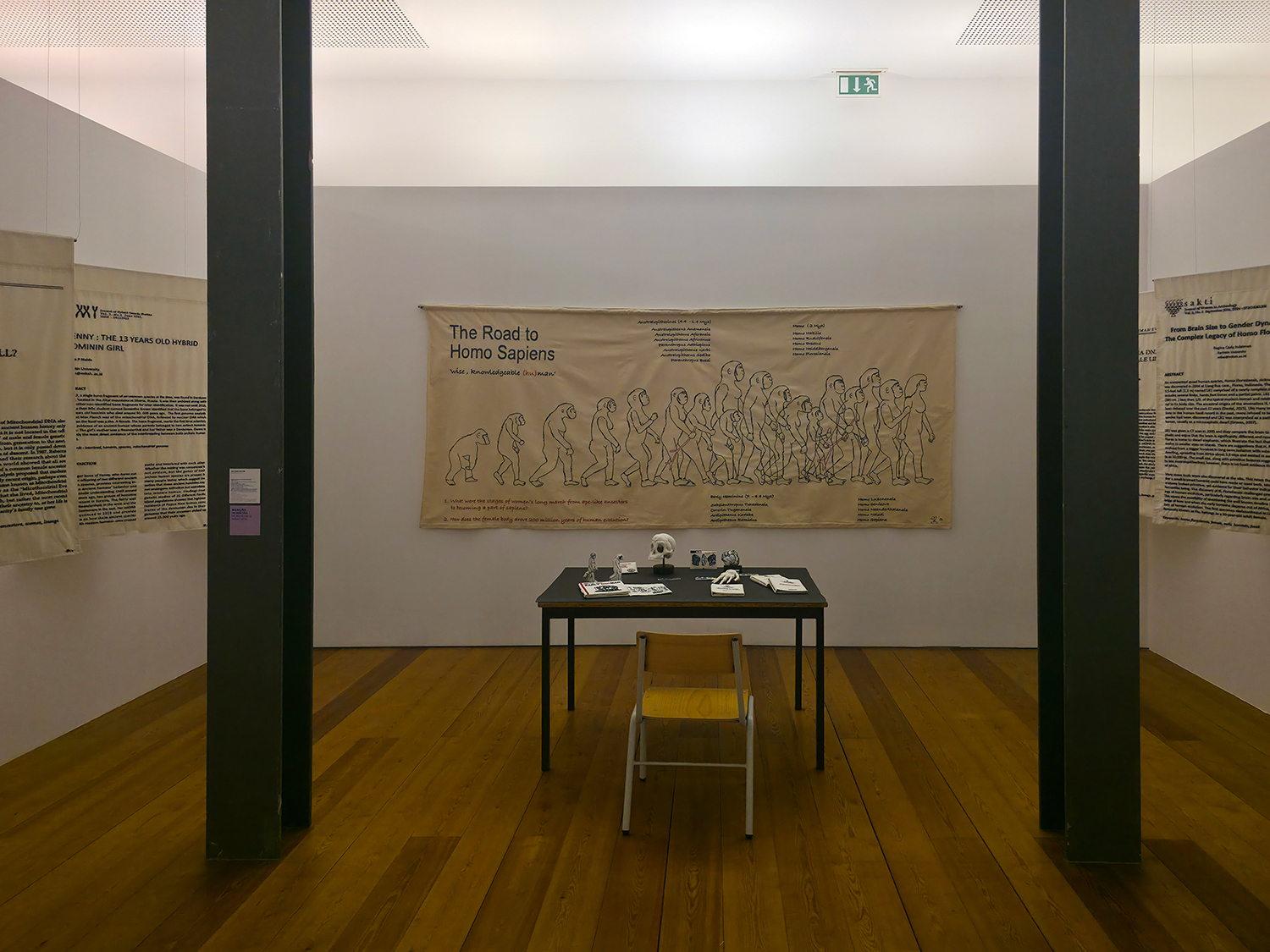
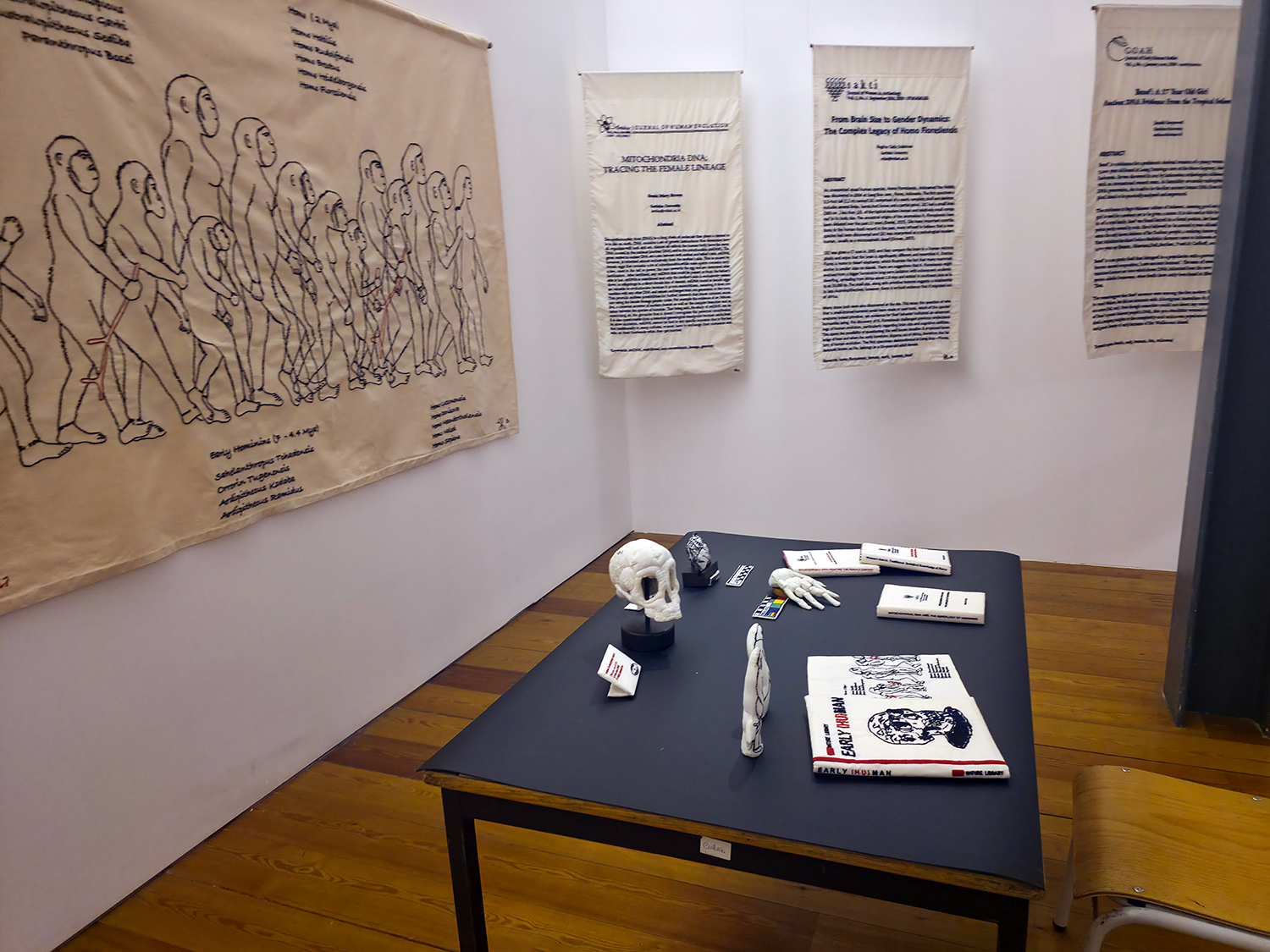
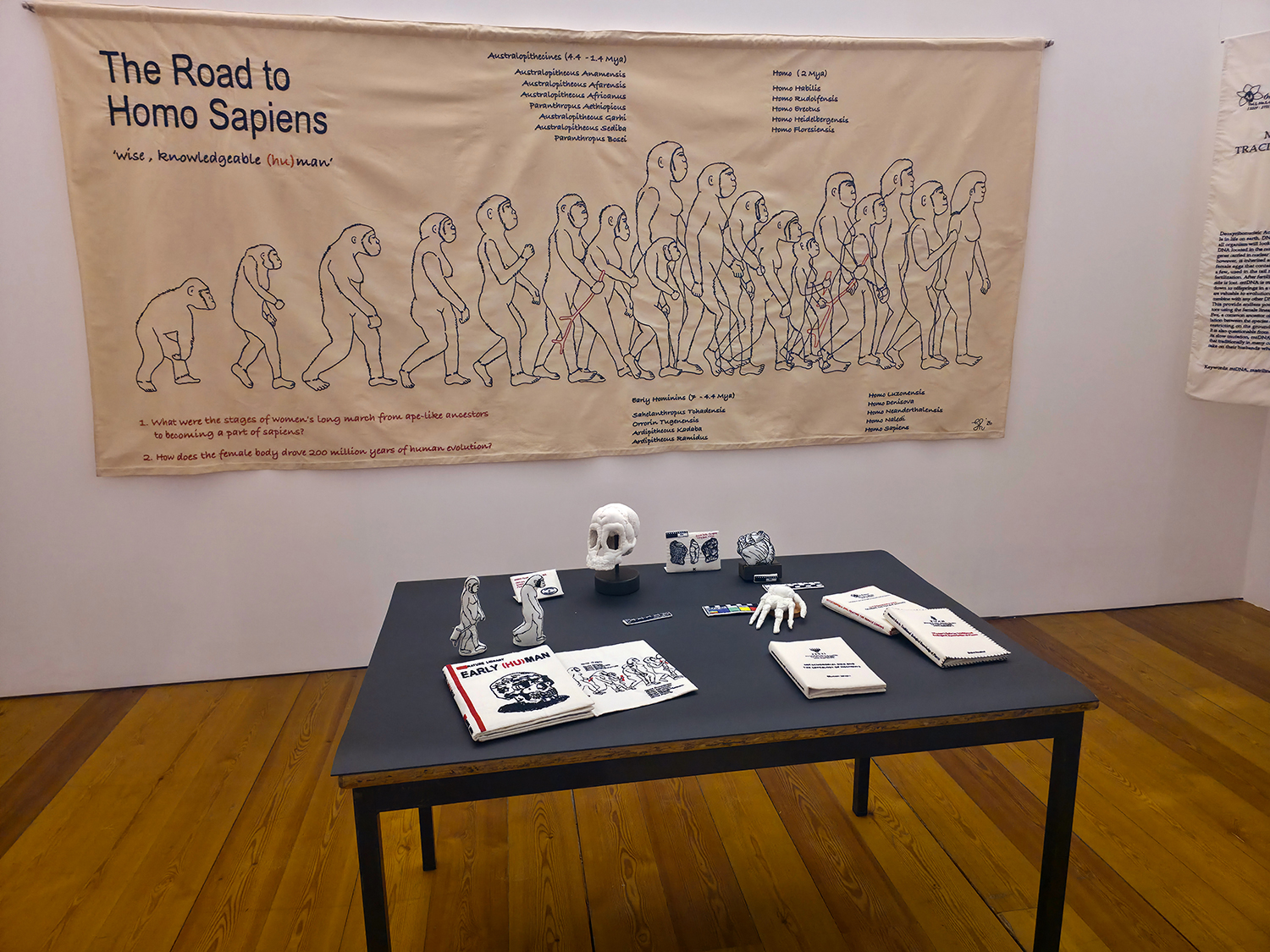
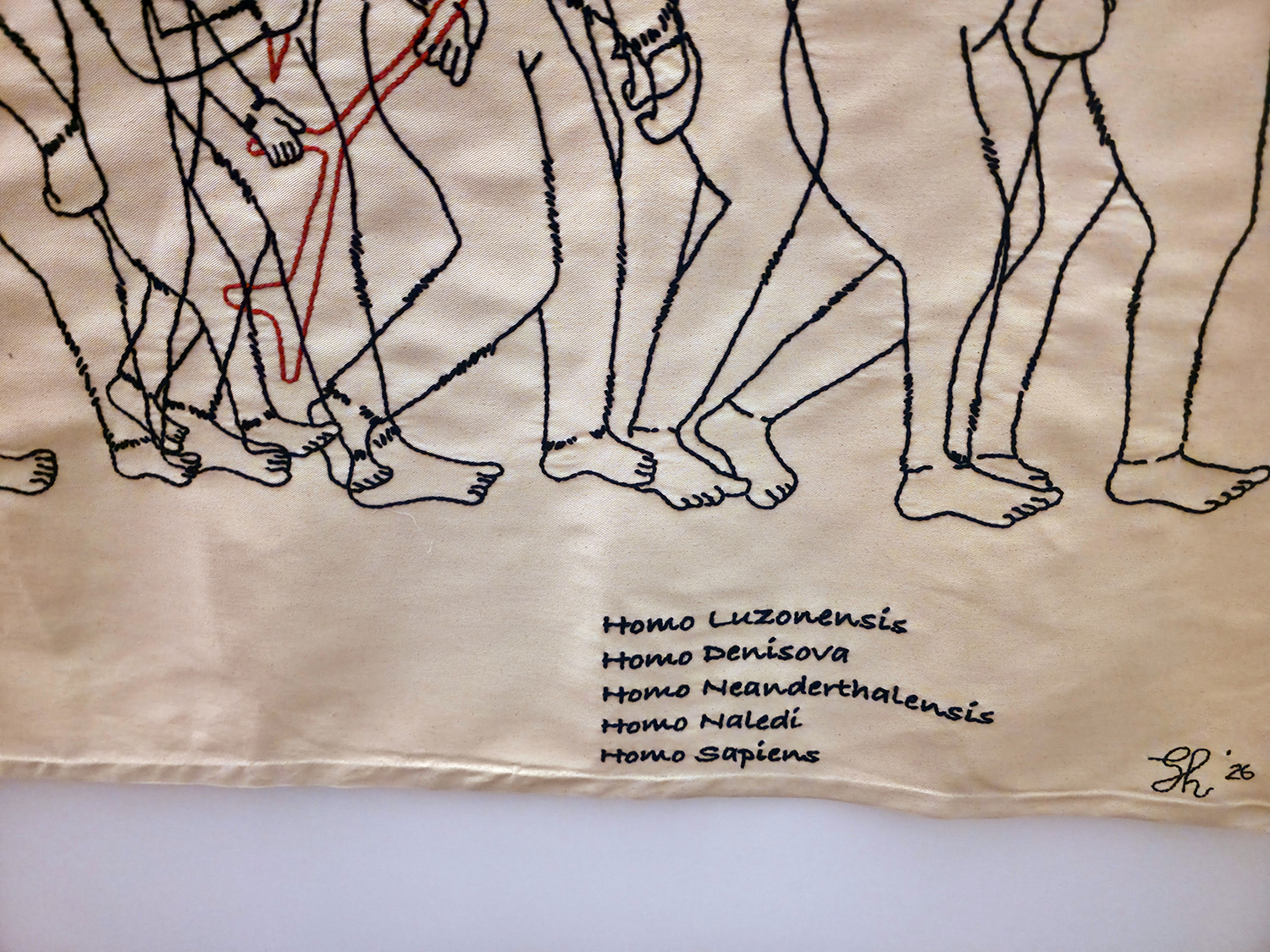
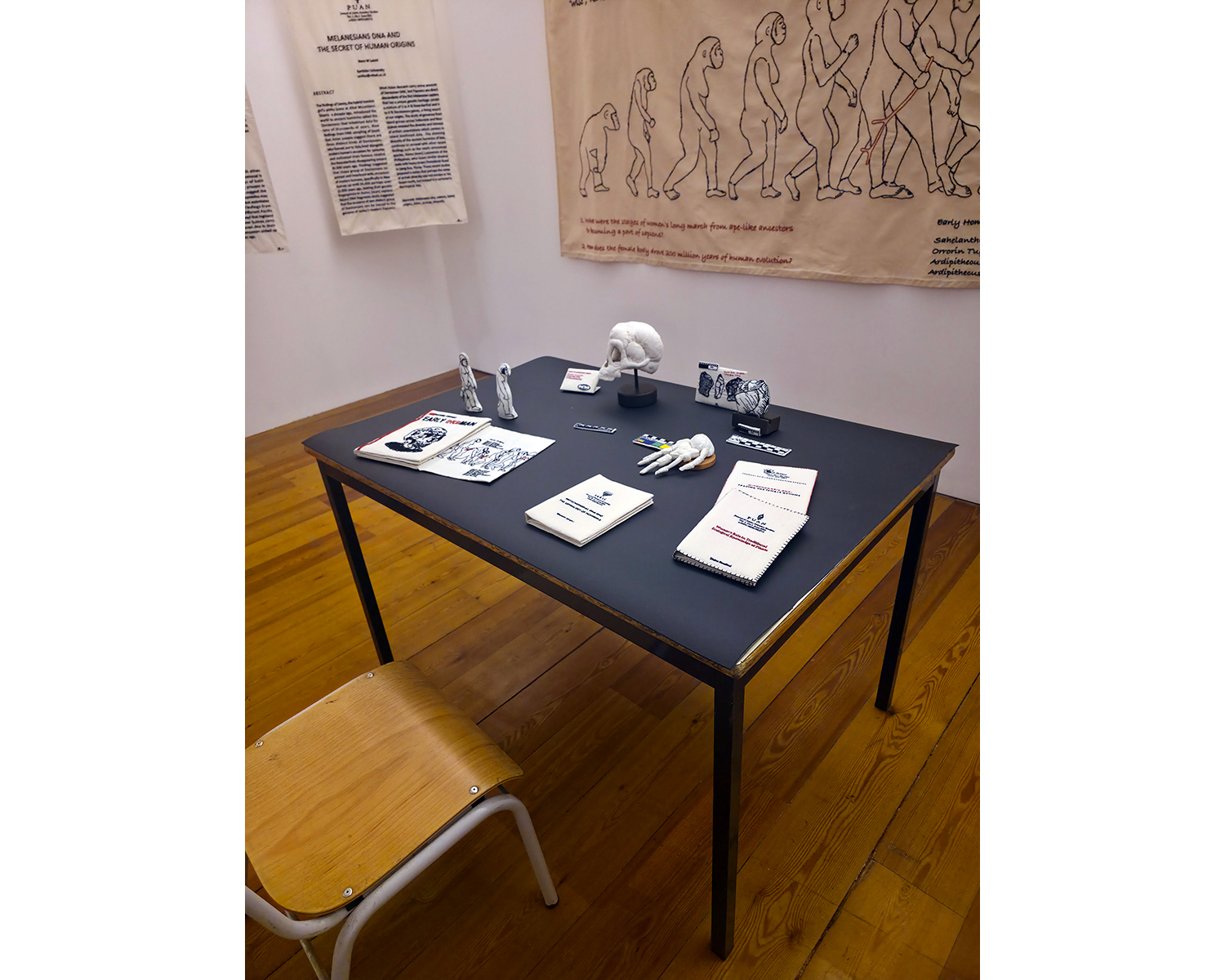
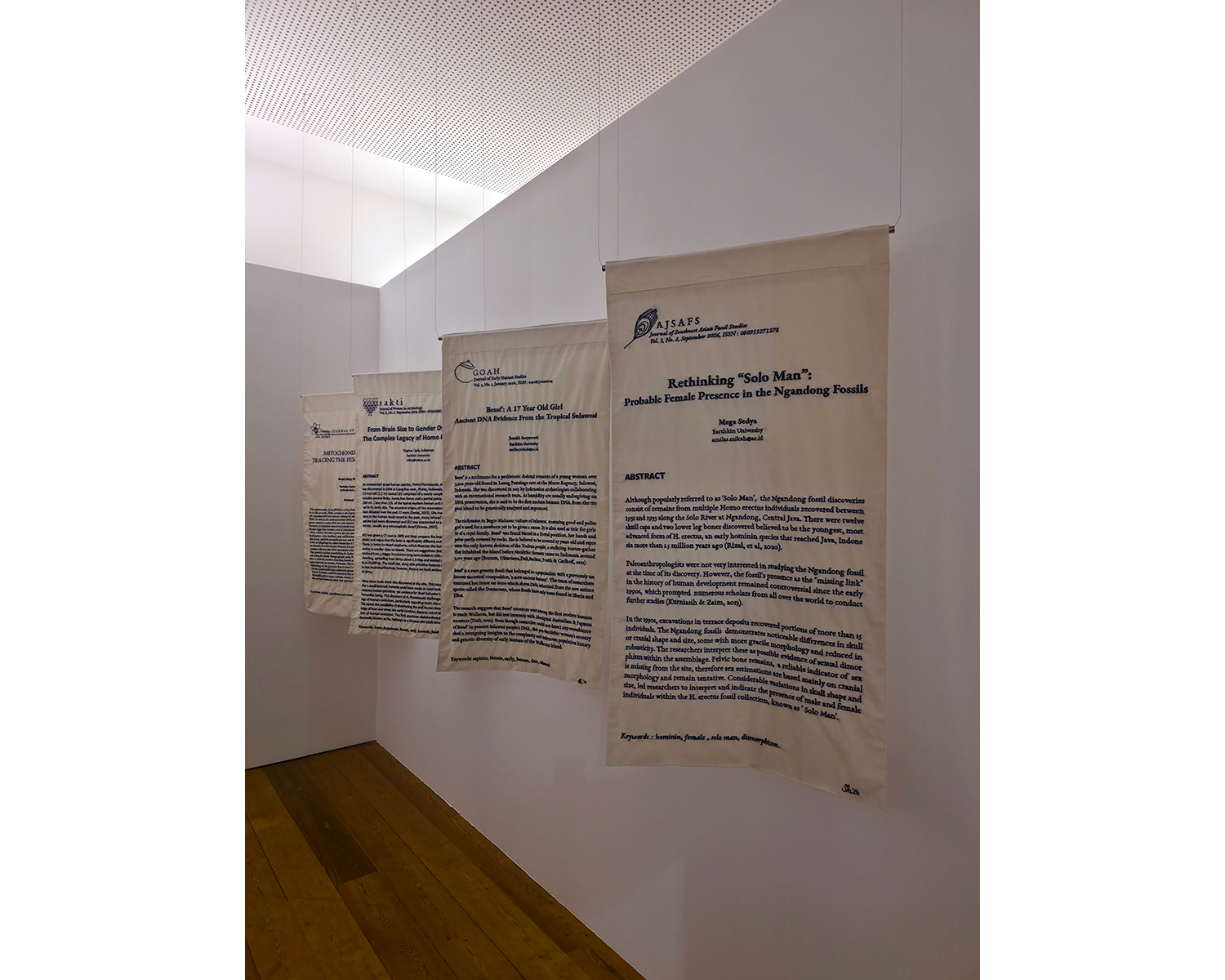
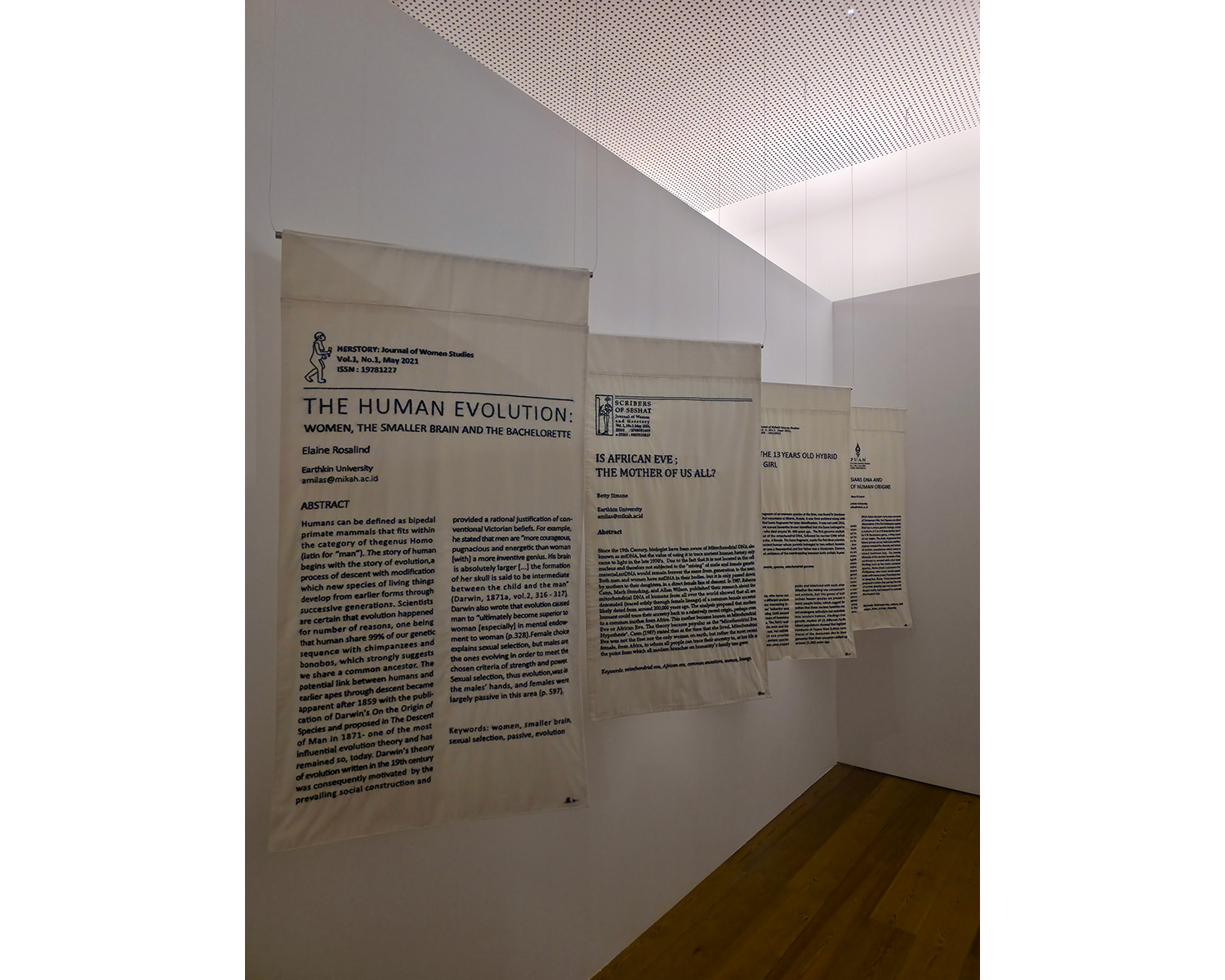
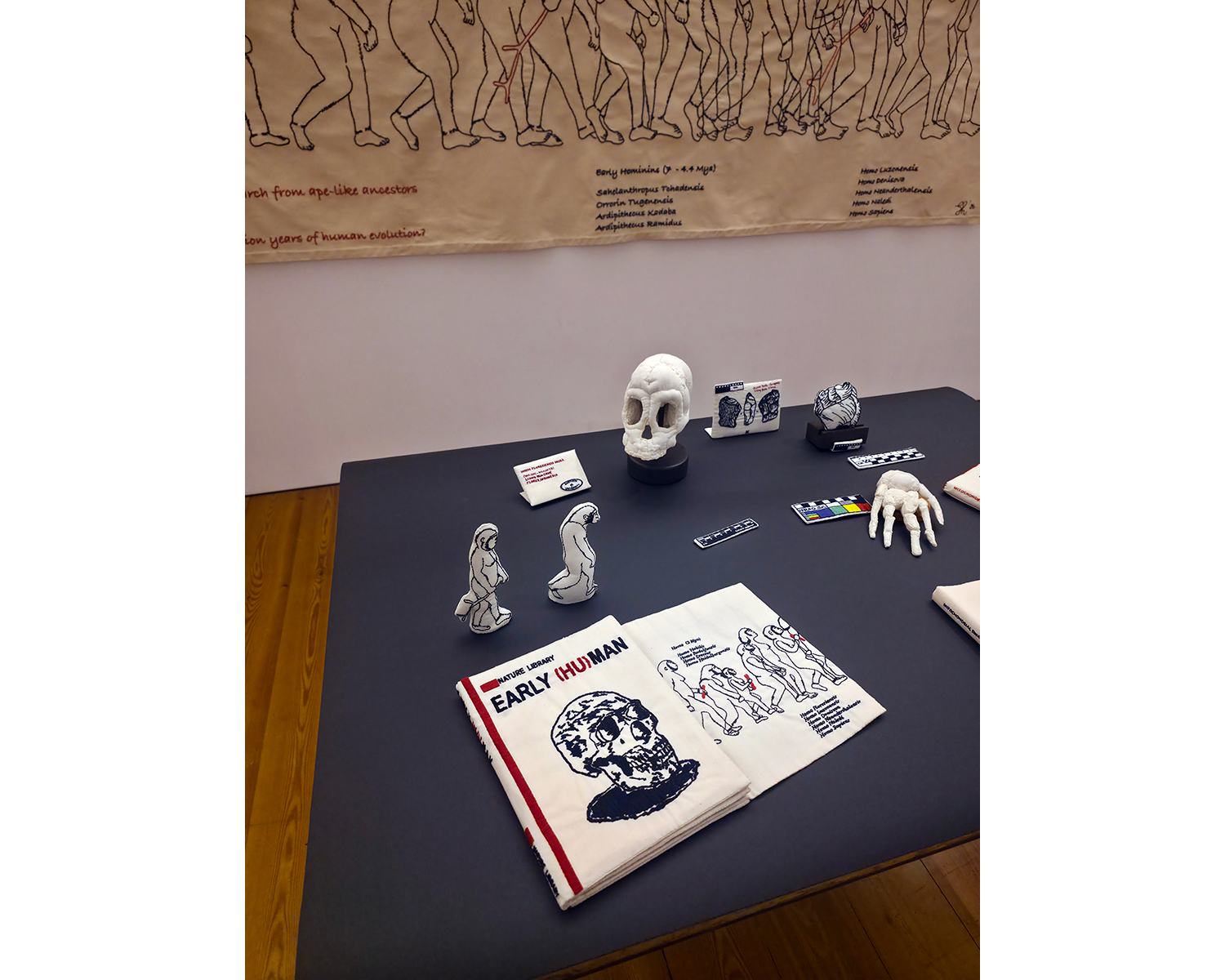
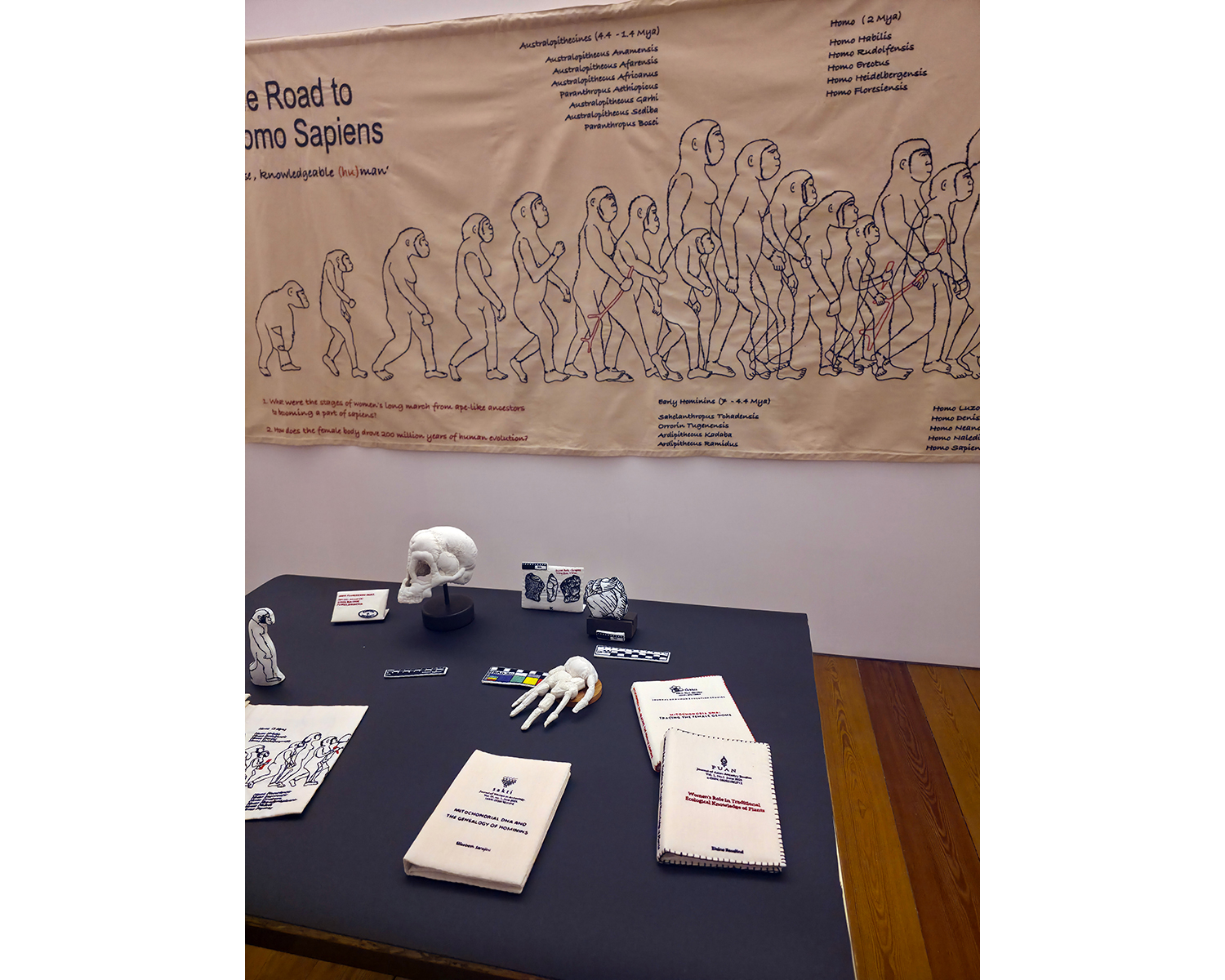
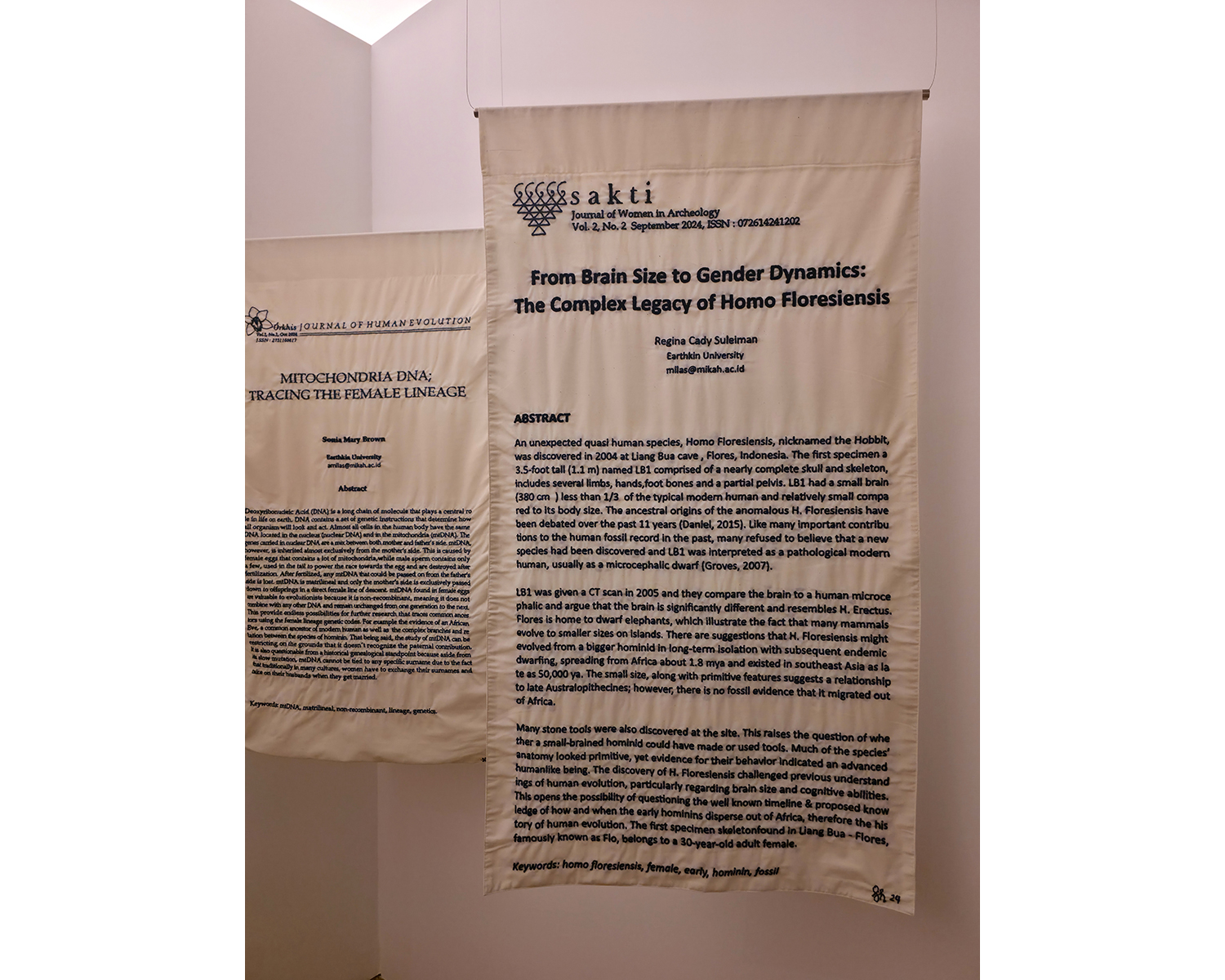
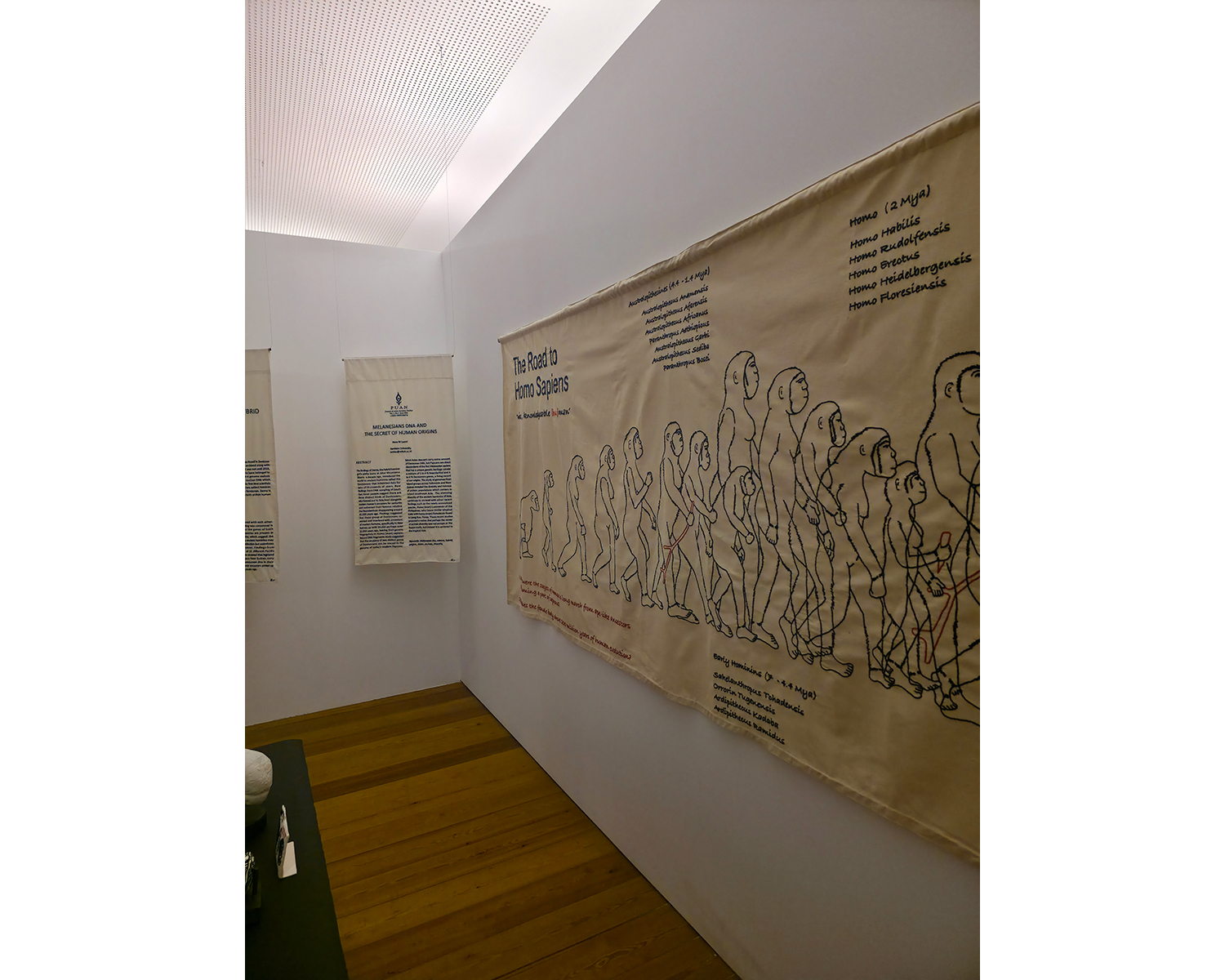
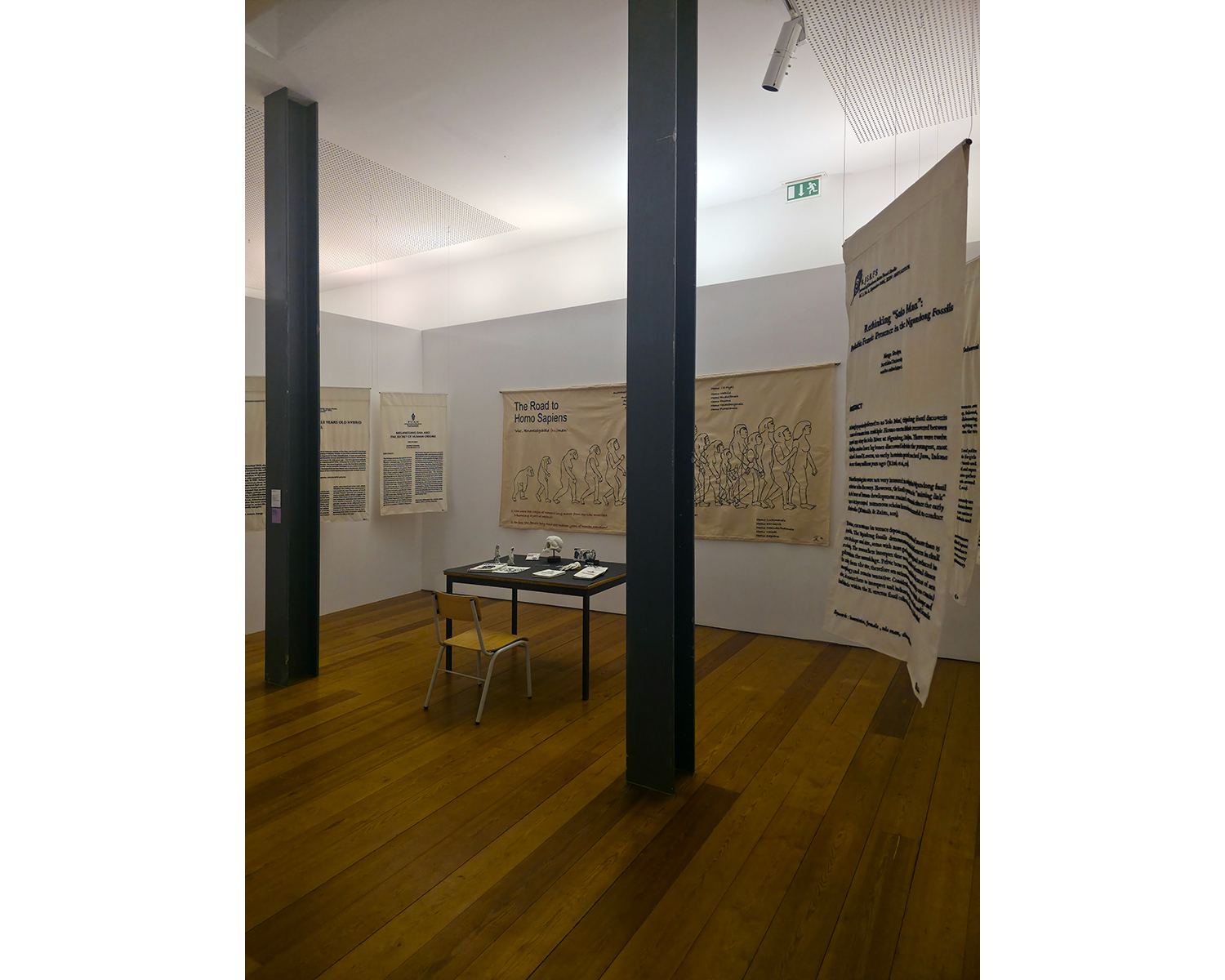
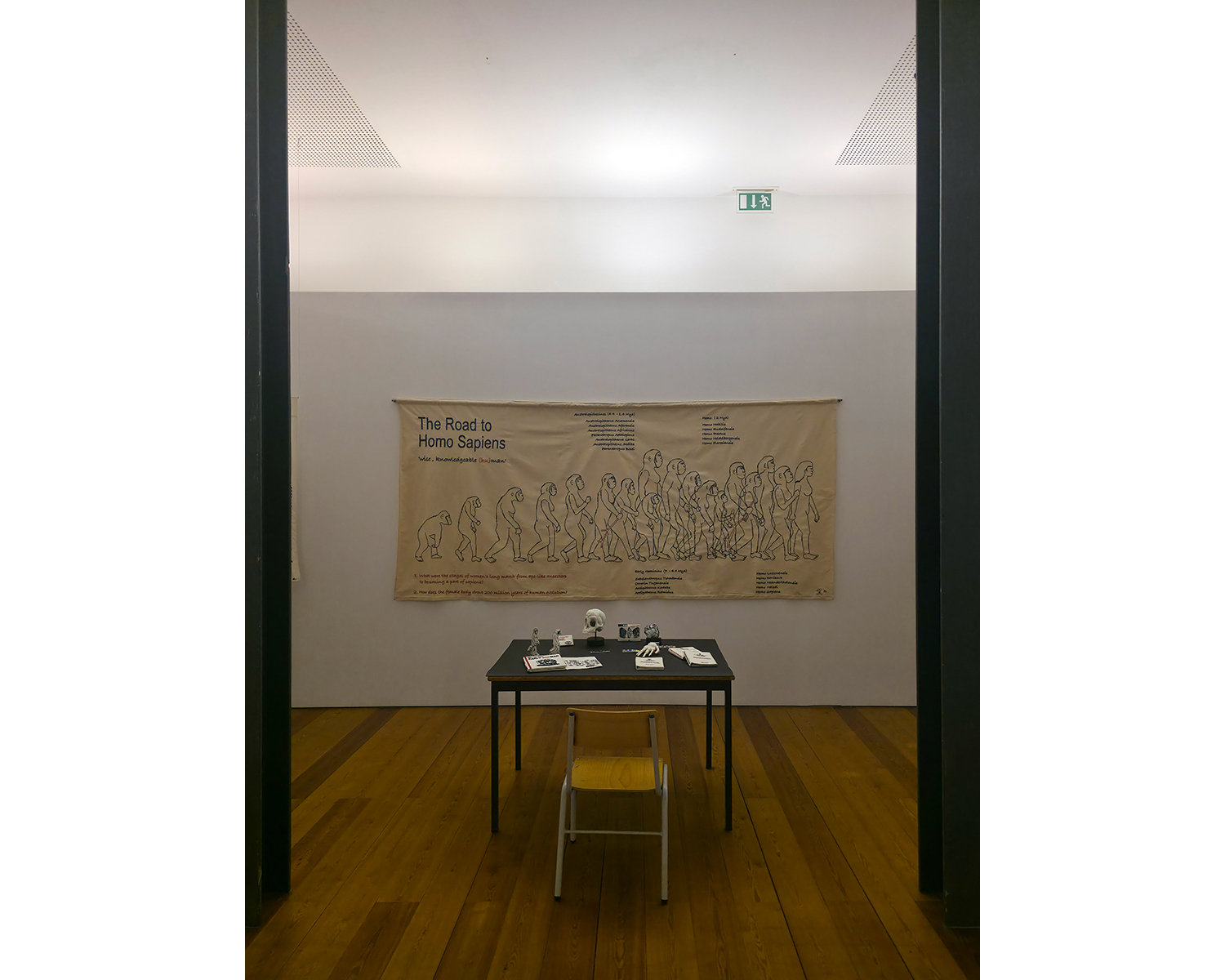
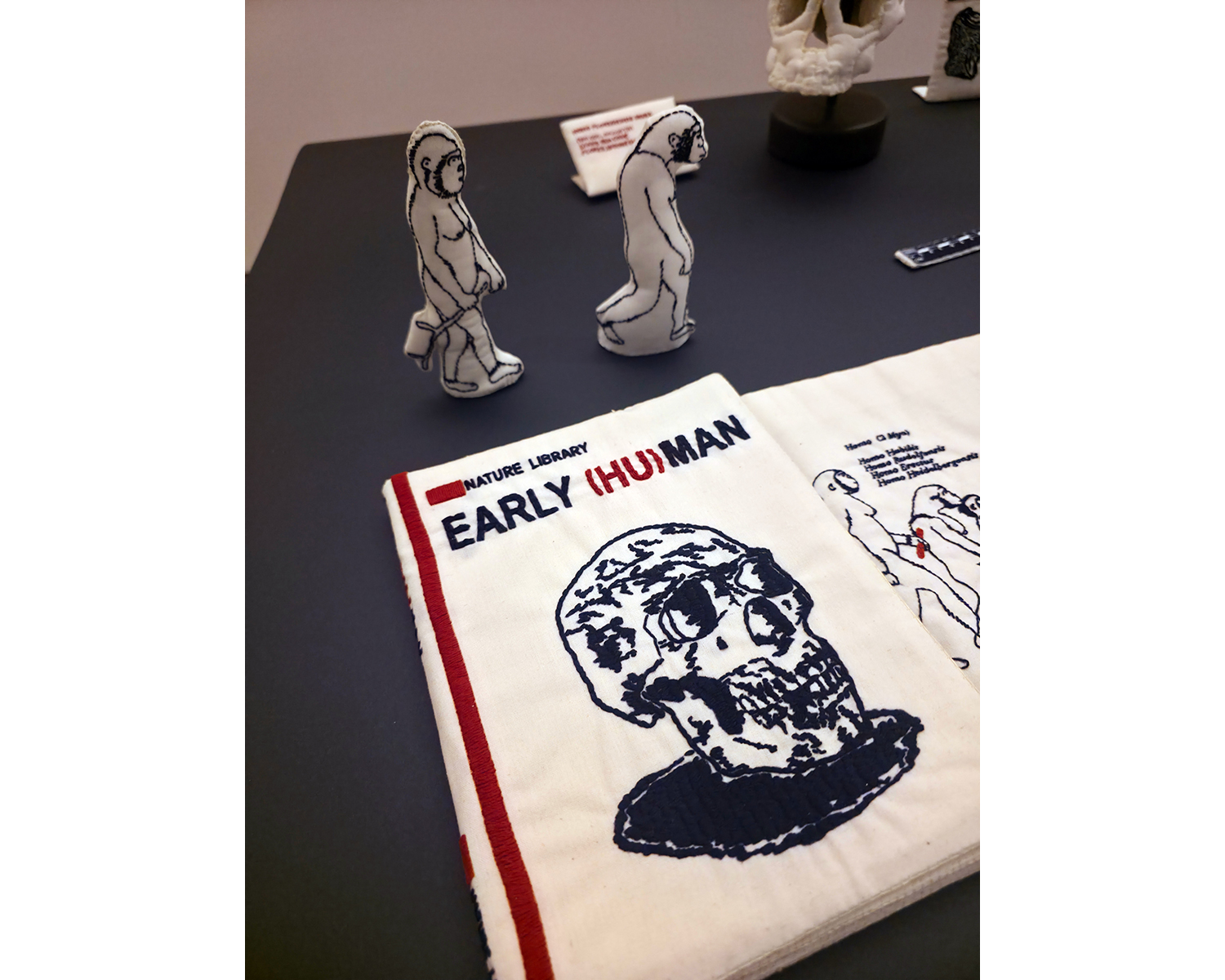
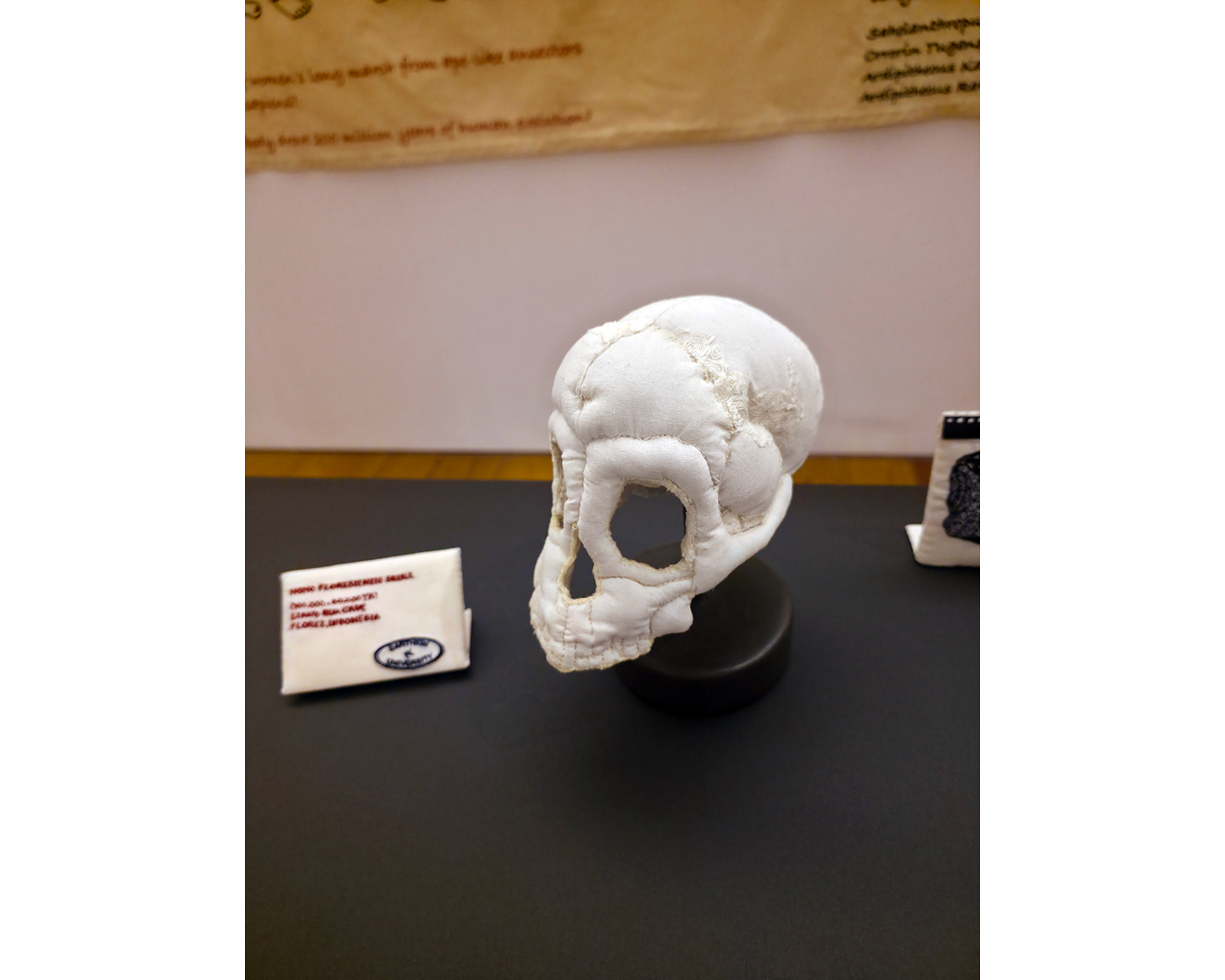
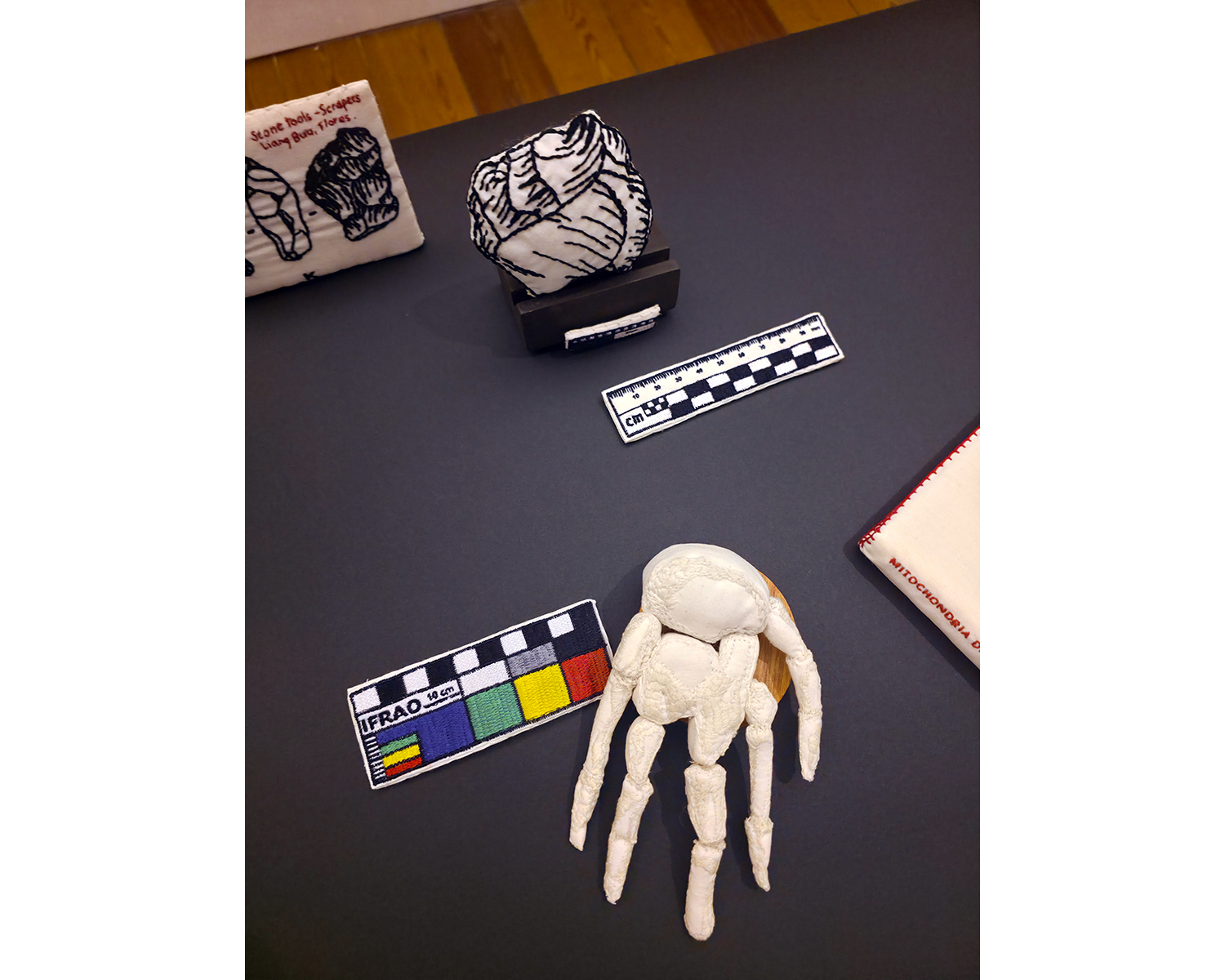
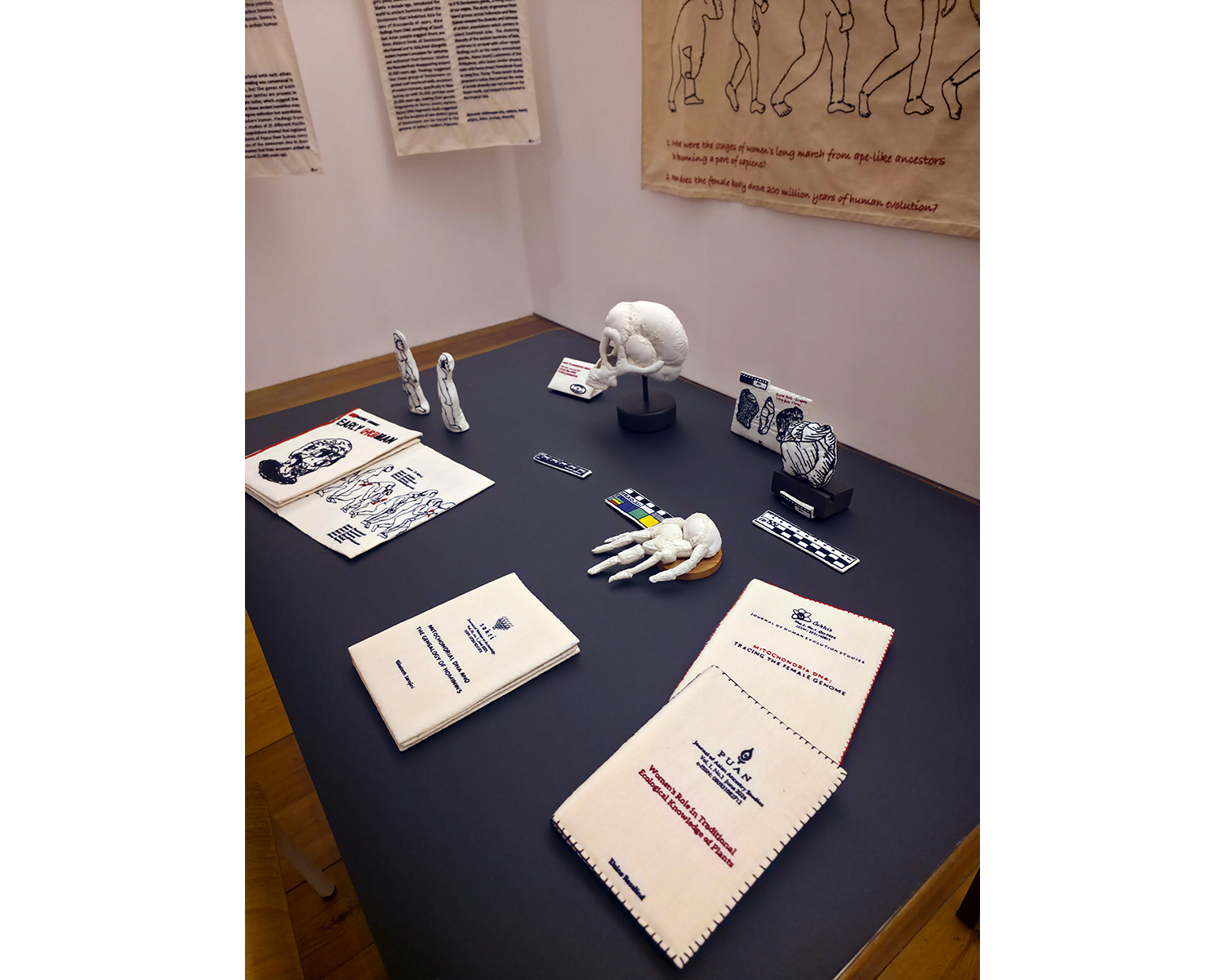
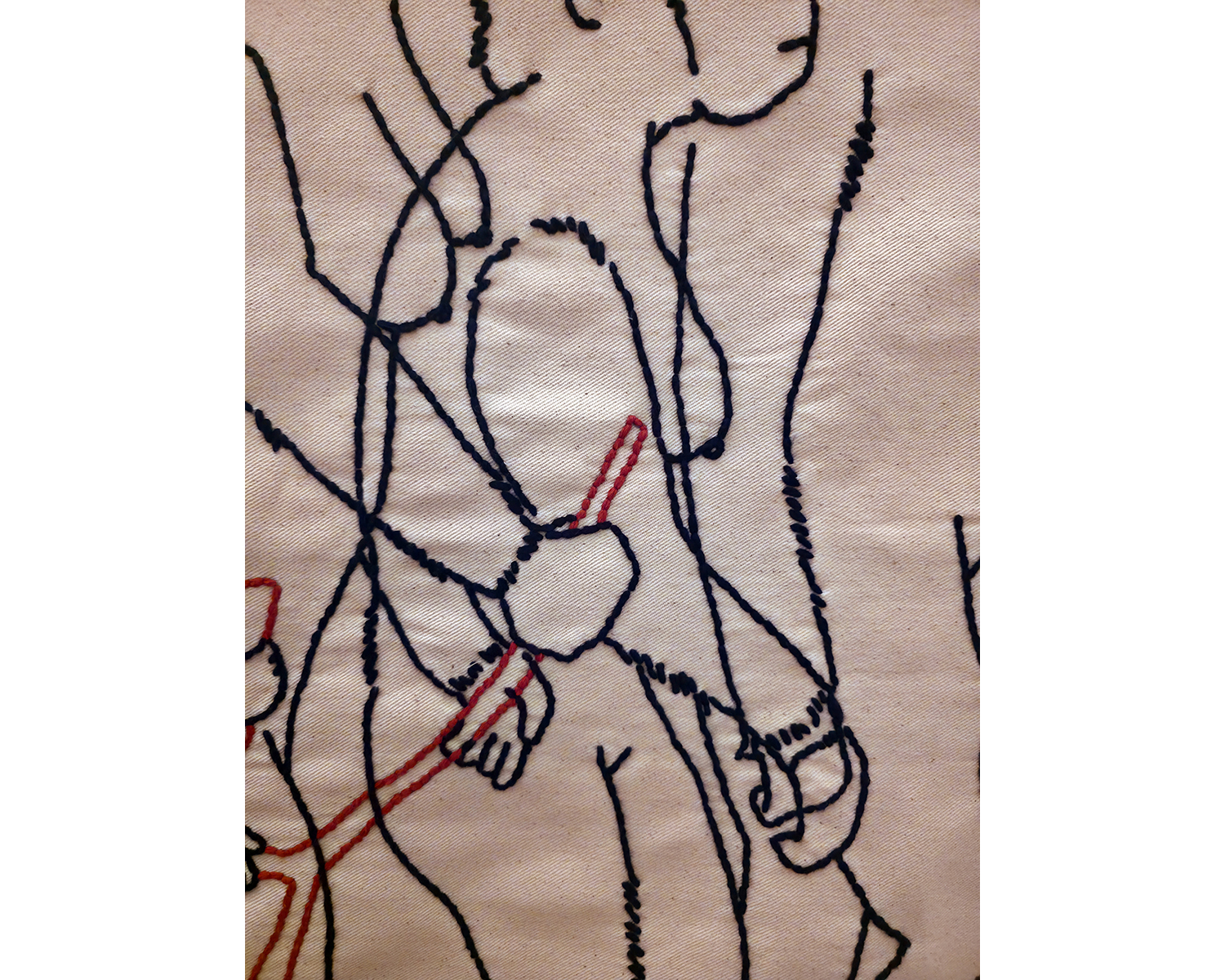
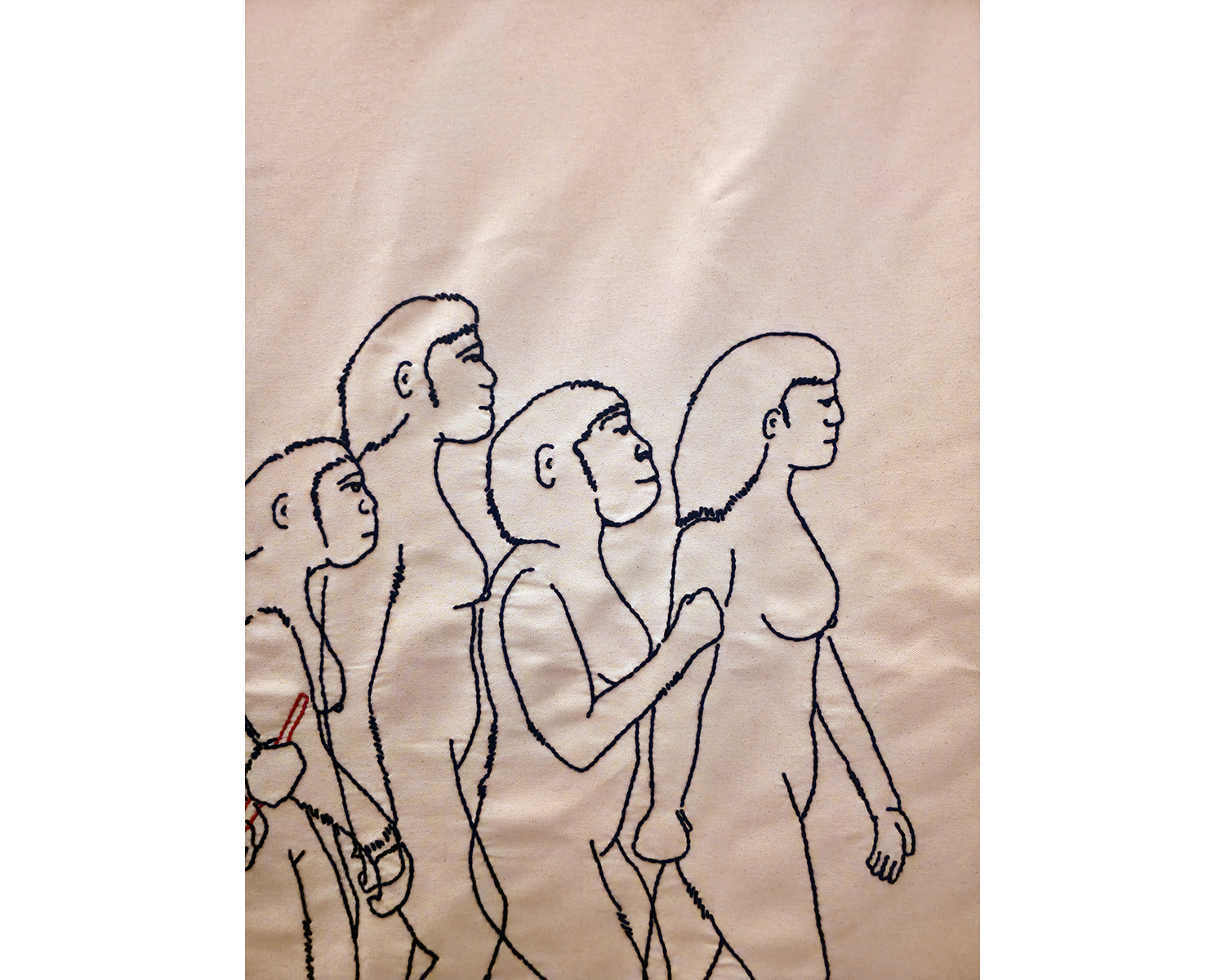
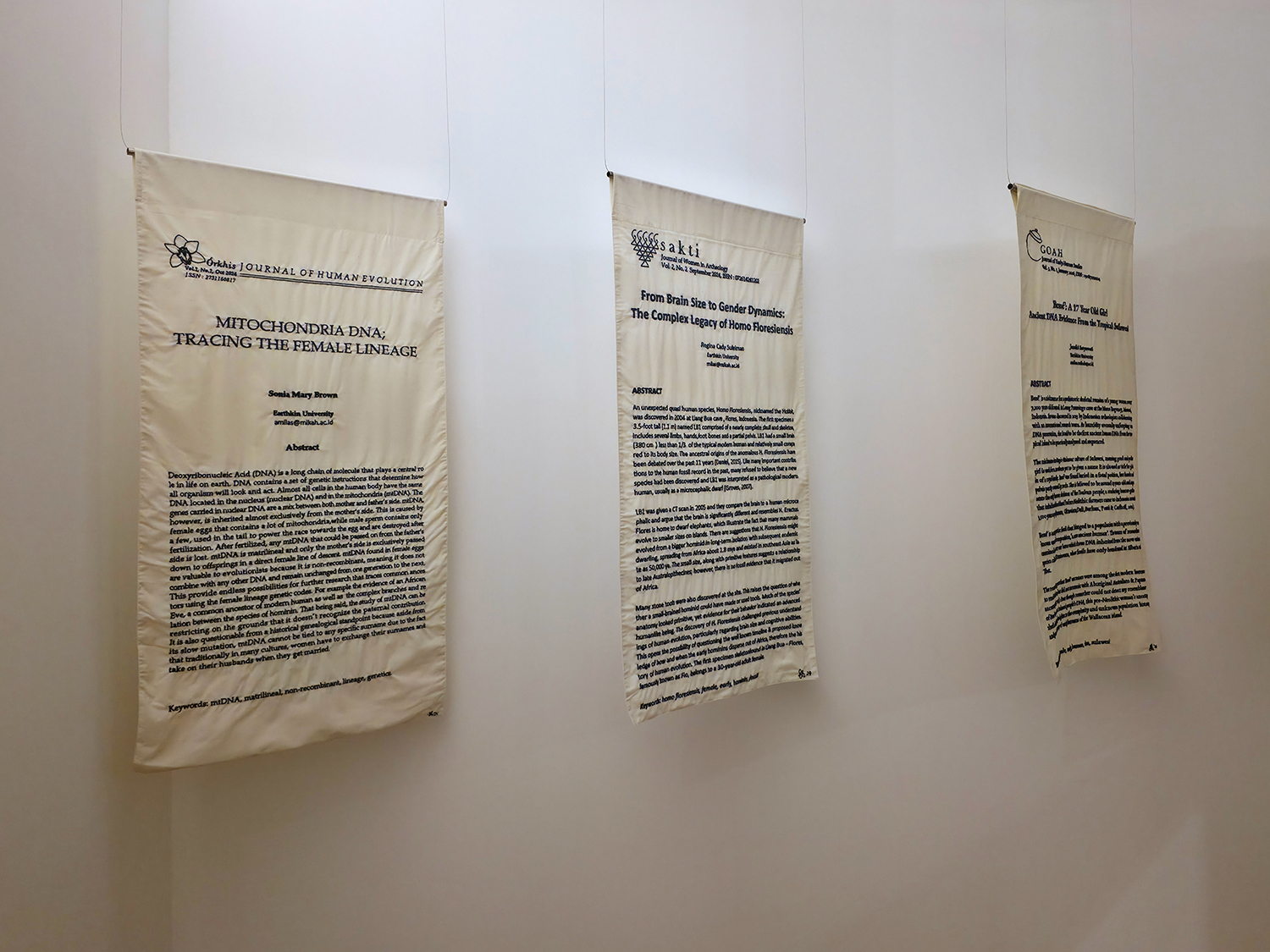
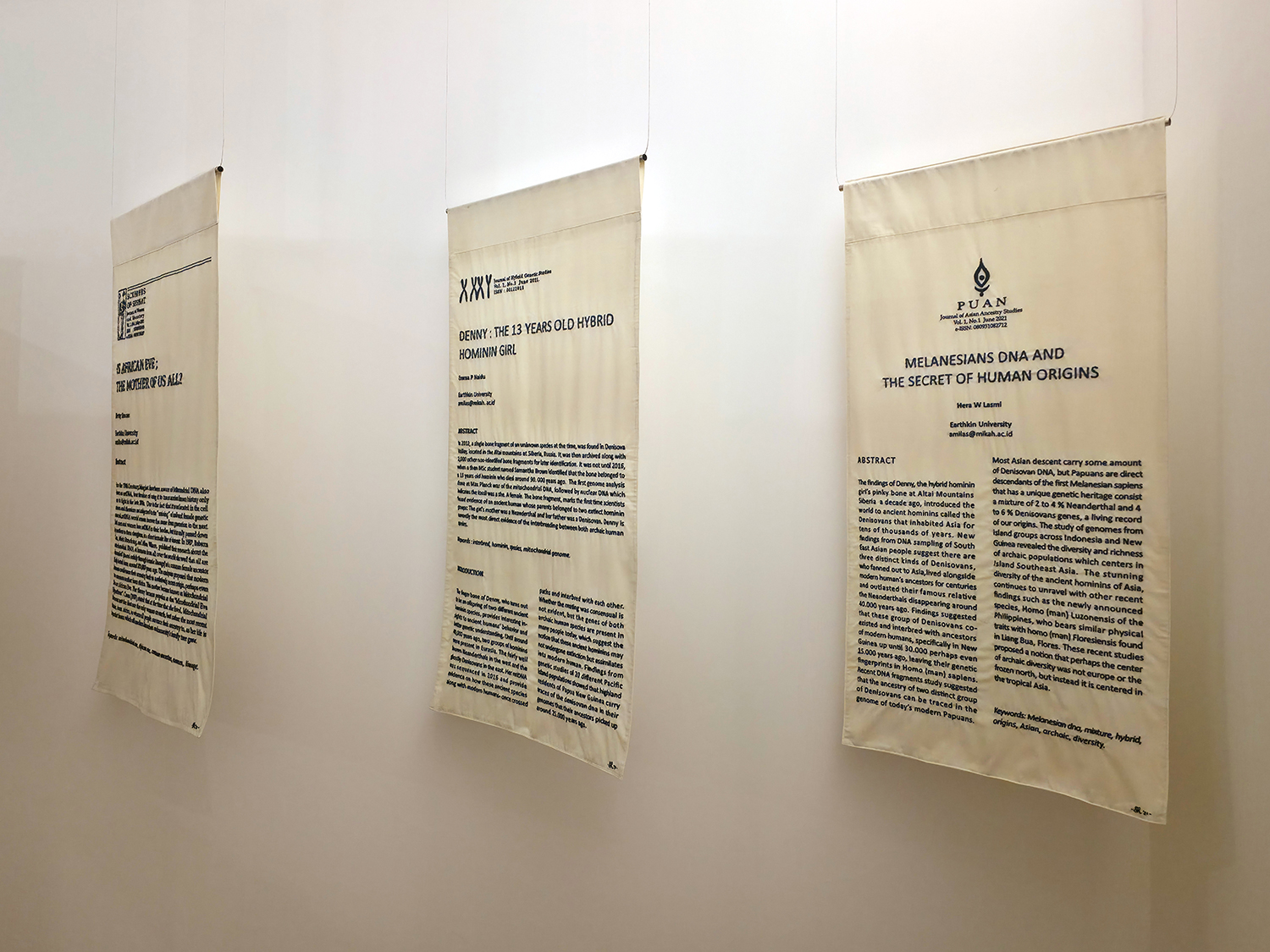
Mimicking a classroom, a space of ‘scientific’ knowledge circulation, this artwork uses fabric and hand stitch to propose a female version of the iconic human evolution stages illustration: ‘the march of progress’. As an effort to replicate a formal education space, this artwork also presents handstitched items, often associated with the process of knowledge production and consumption, such as; academic journal, books and specimens, about the female human evolution stories and discoveries to address the lack of female representation in archeology by fictionally bringing it into a classroom setting.
—
Salima Hakim, is a university lecturer and visual artist. She explores issues of gender representation in history and archaeology, using stitching as both a technical and metaphorical approach in her work. She experiments with finding and merging scientific and fictional data to question how knowledge is produced, while also imagining and reproducing fictional historical narratives of women. In her current practice, she often works with embroidery and hand-stitched fabric. She is currently teaching art at the Faculty of Art and Design at Multimedia Nusantara University in Tangerang, Indonesia.
2ND HONORABLE MENTION
Contextile 2026
RAUL MARTINEZ
UNITED STATES OF AMERICA
*Parabellum* (Map#3, 9mm, Guatemala)
Hand-woven rug
1 piece, 166 × 255 cm
ONGOING SERIES
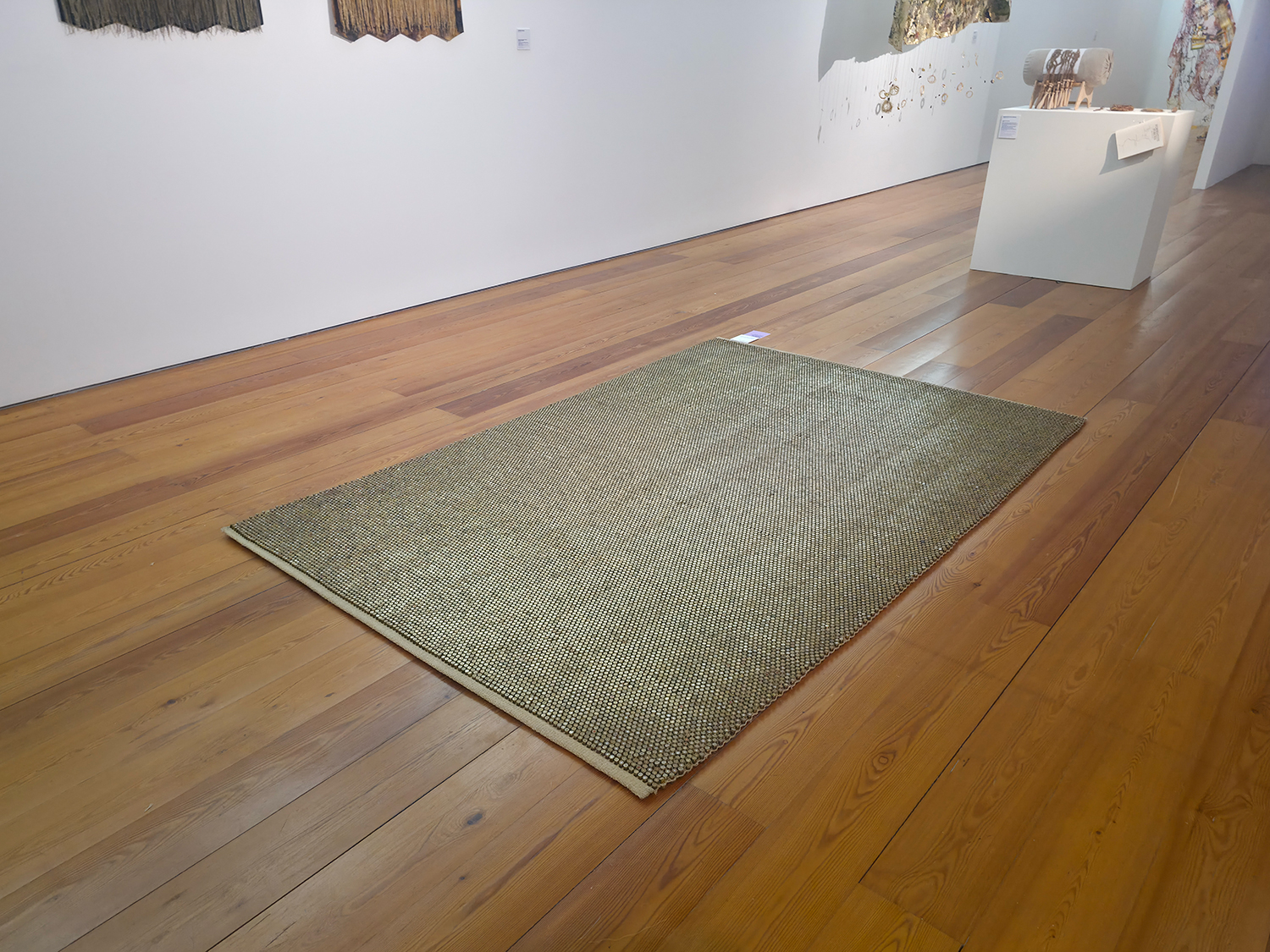
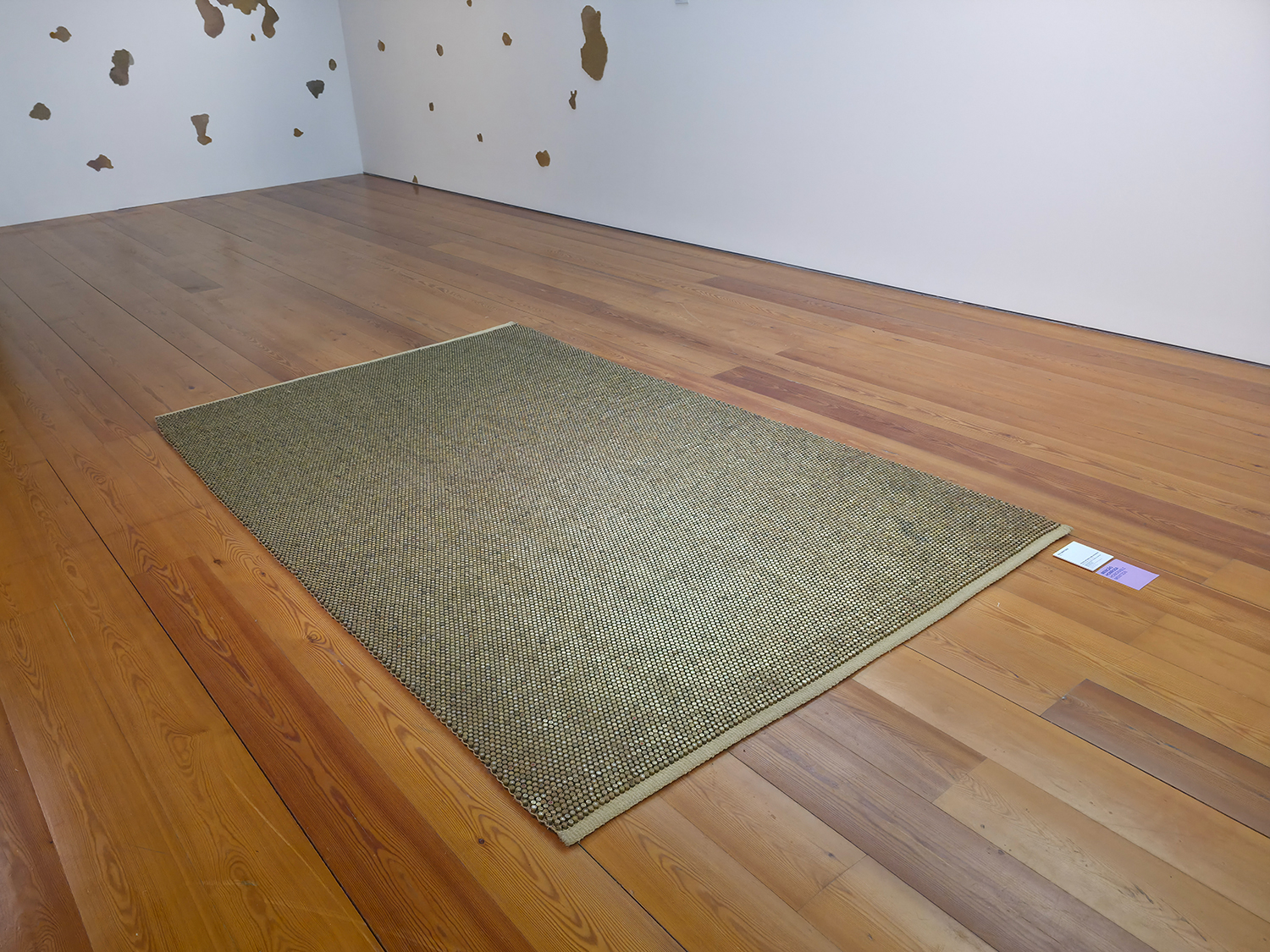
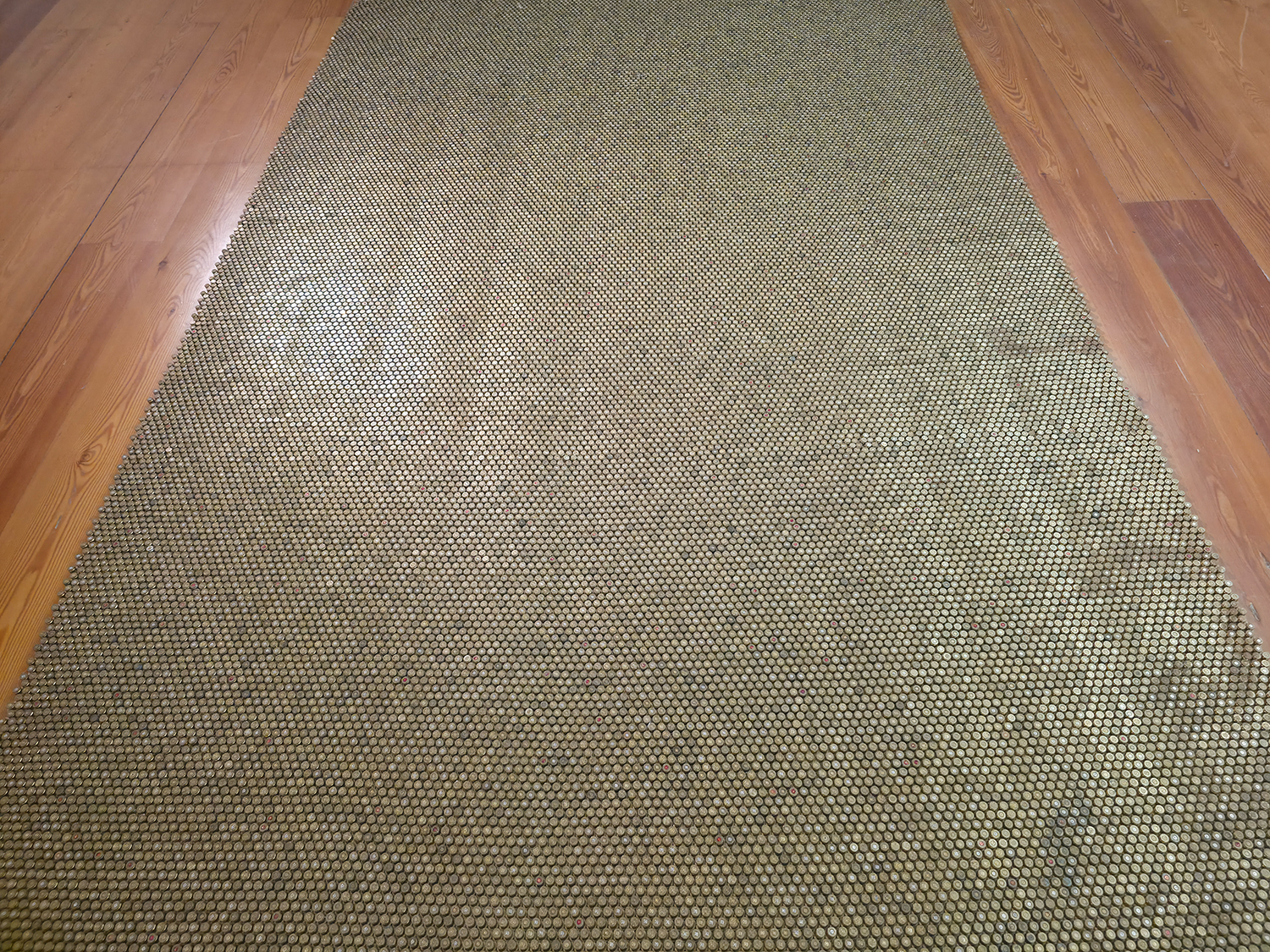
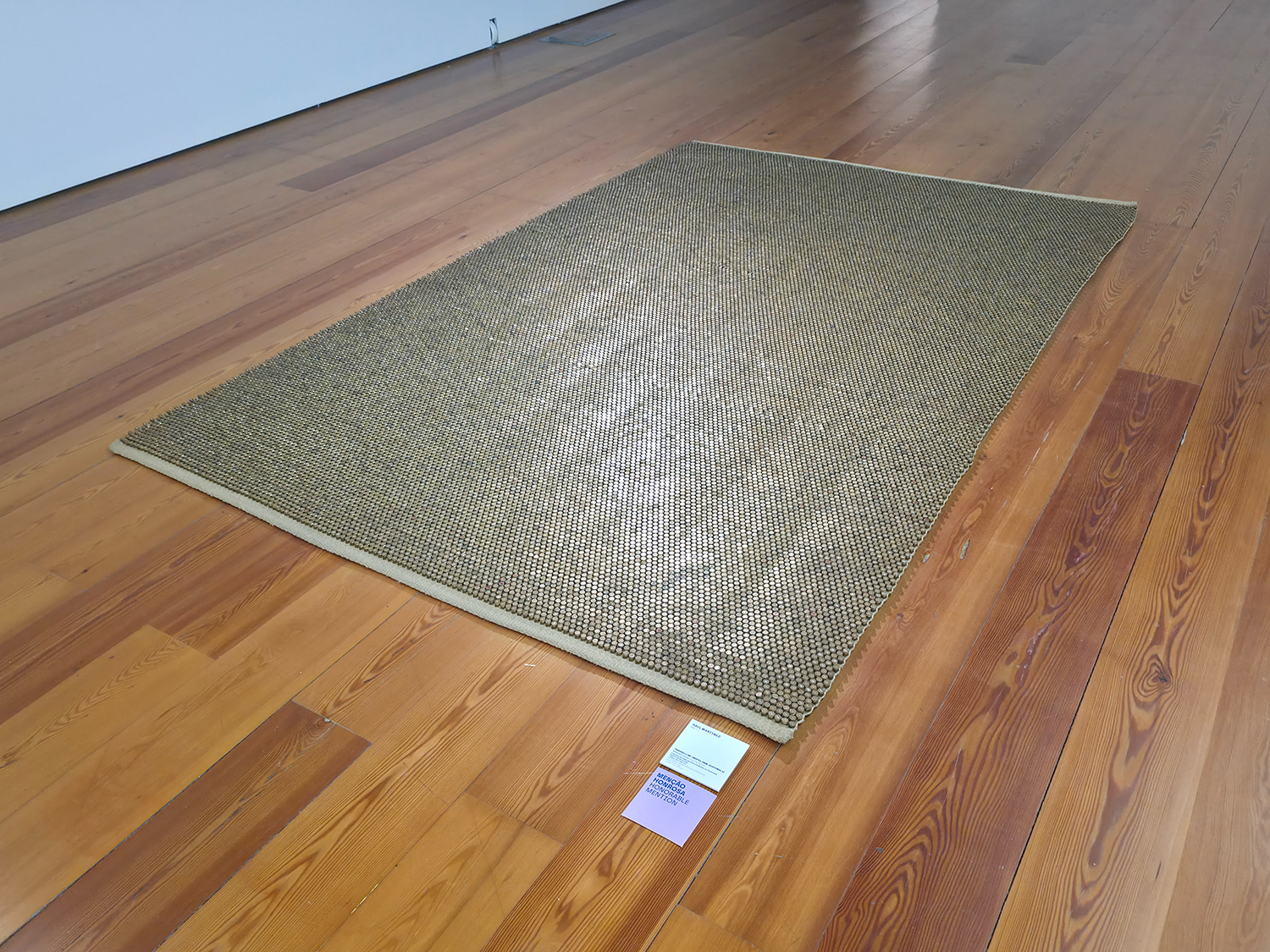
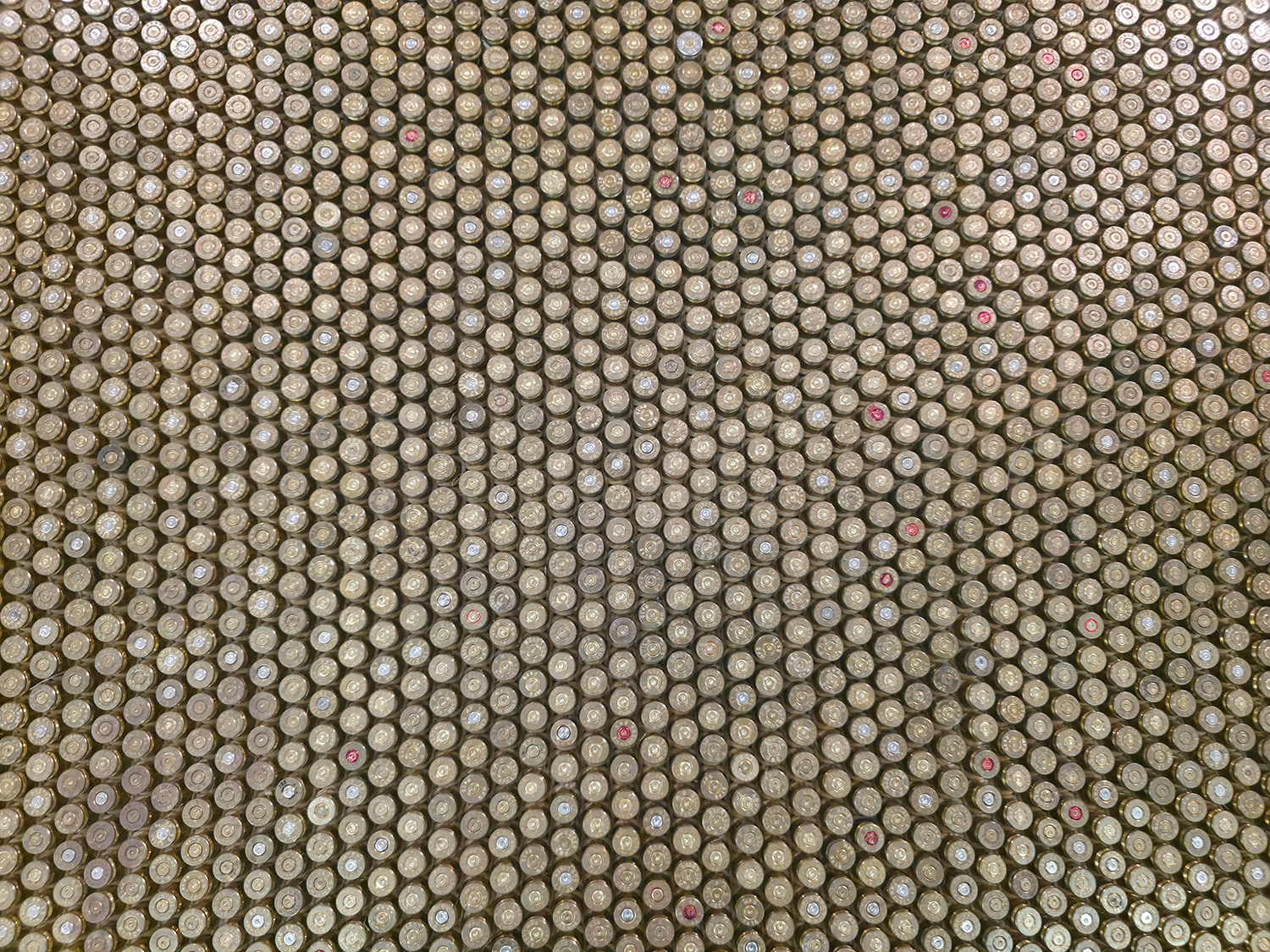
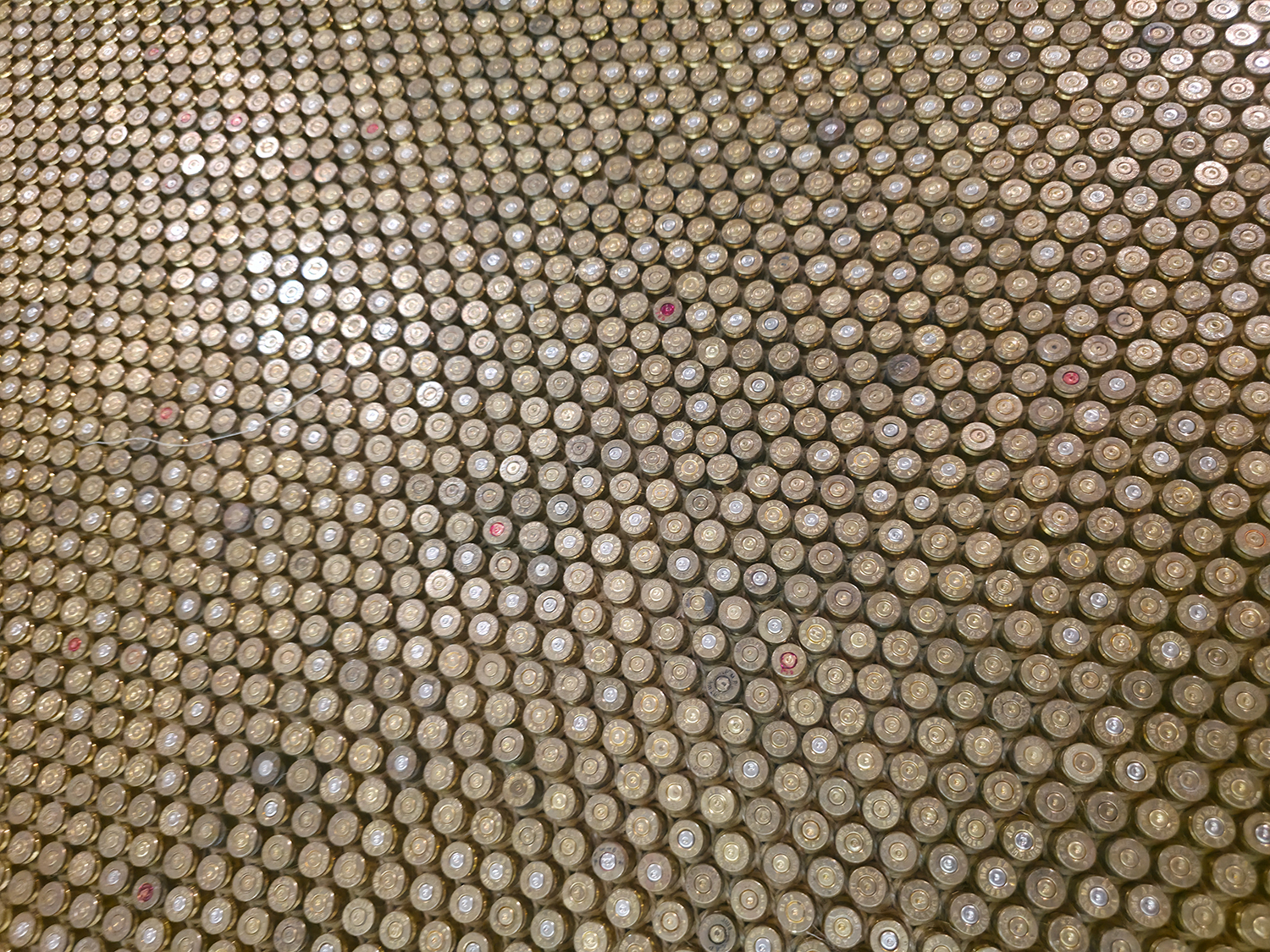
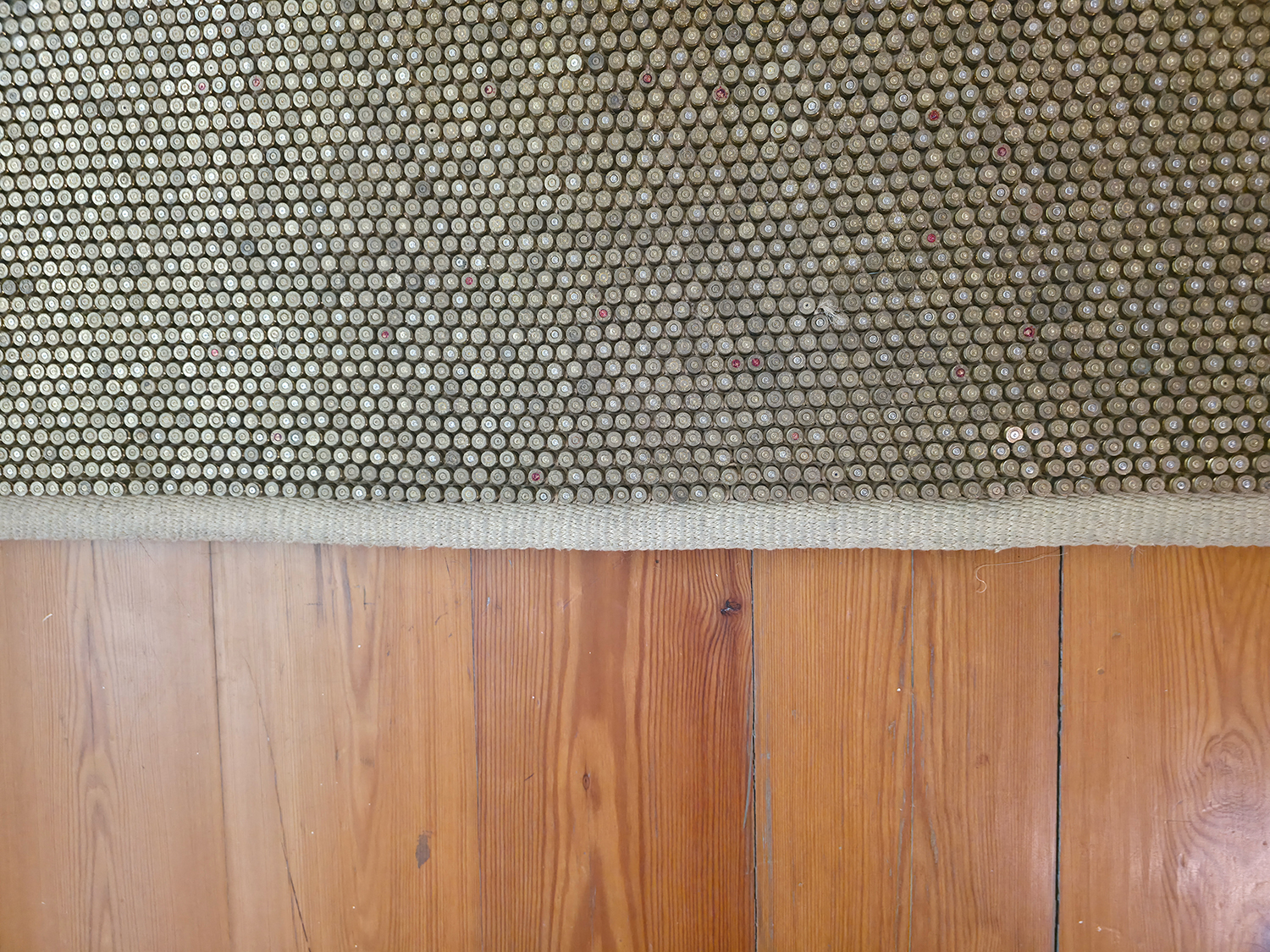
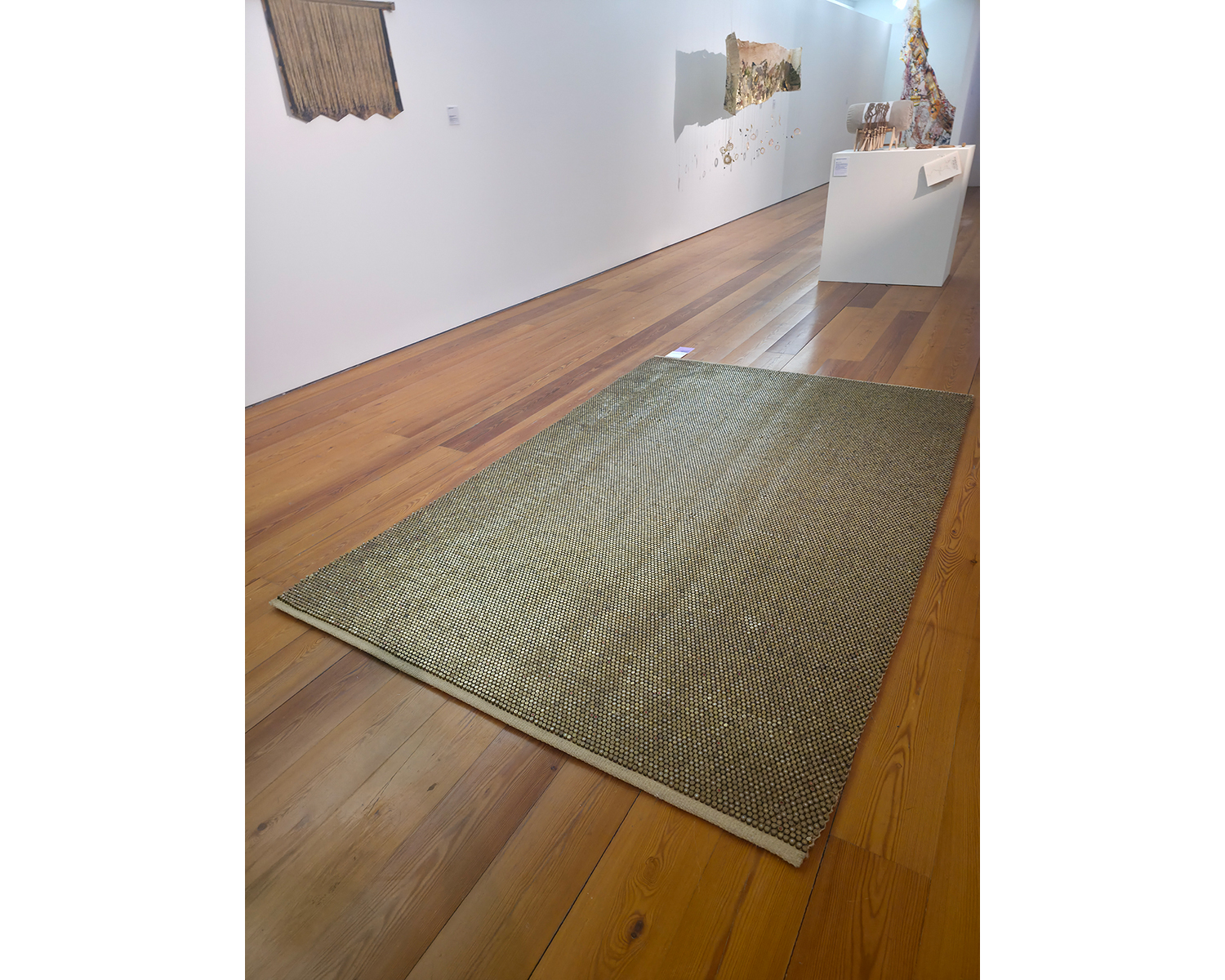
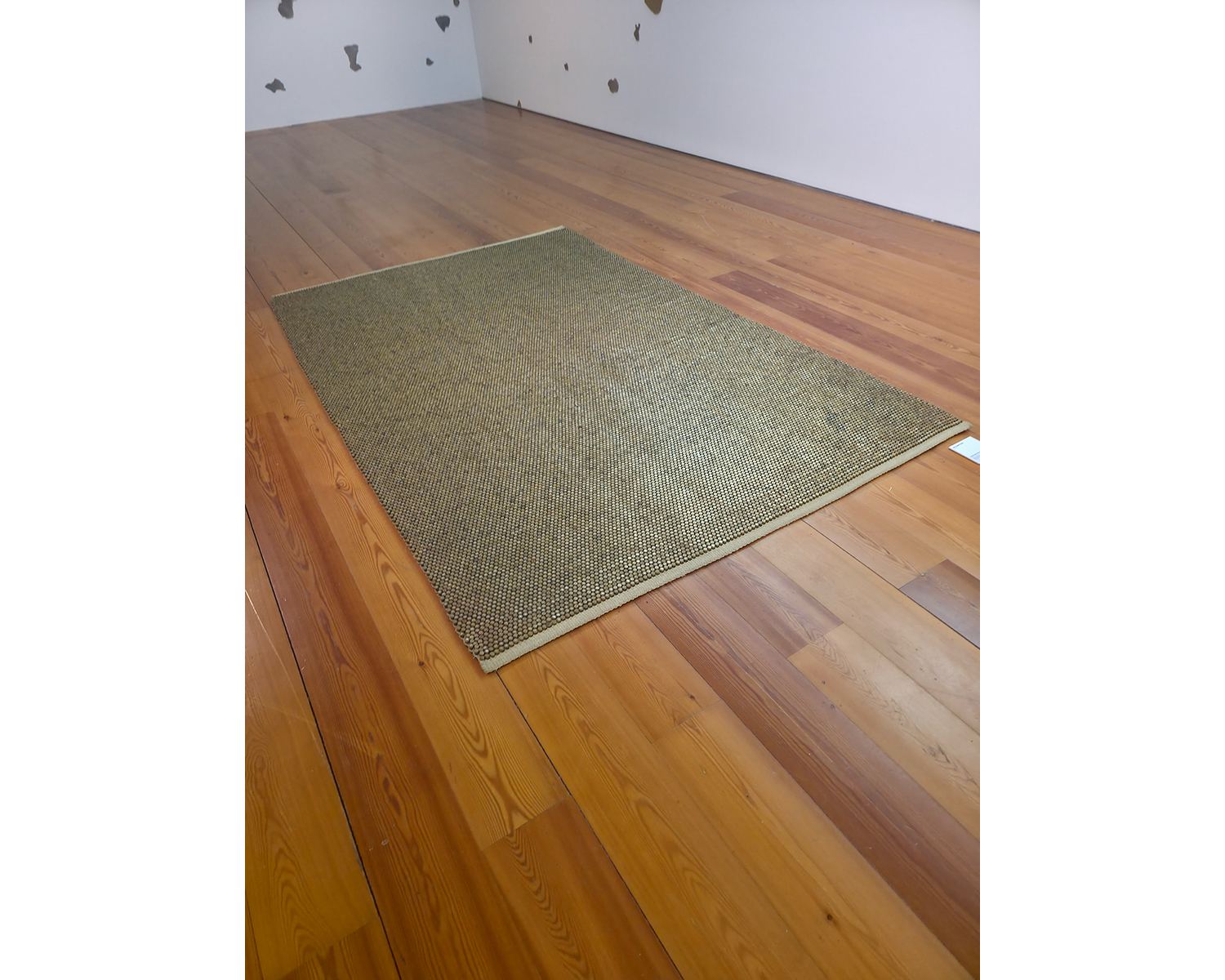
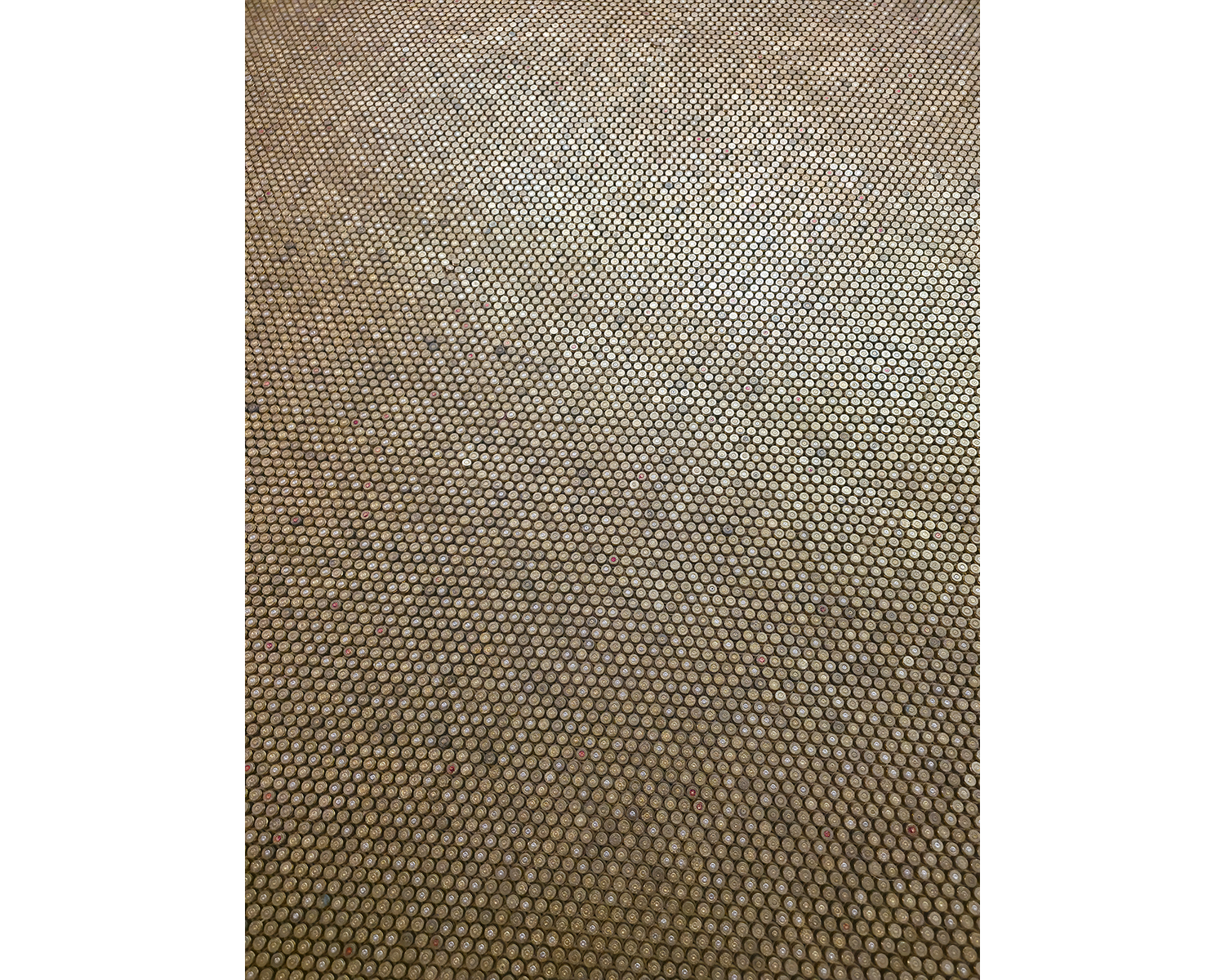
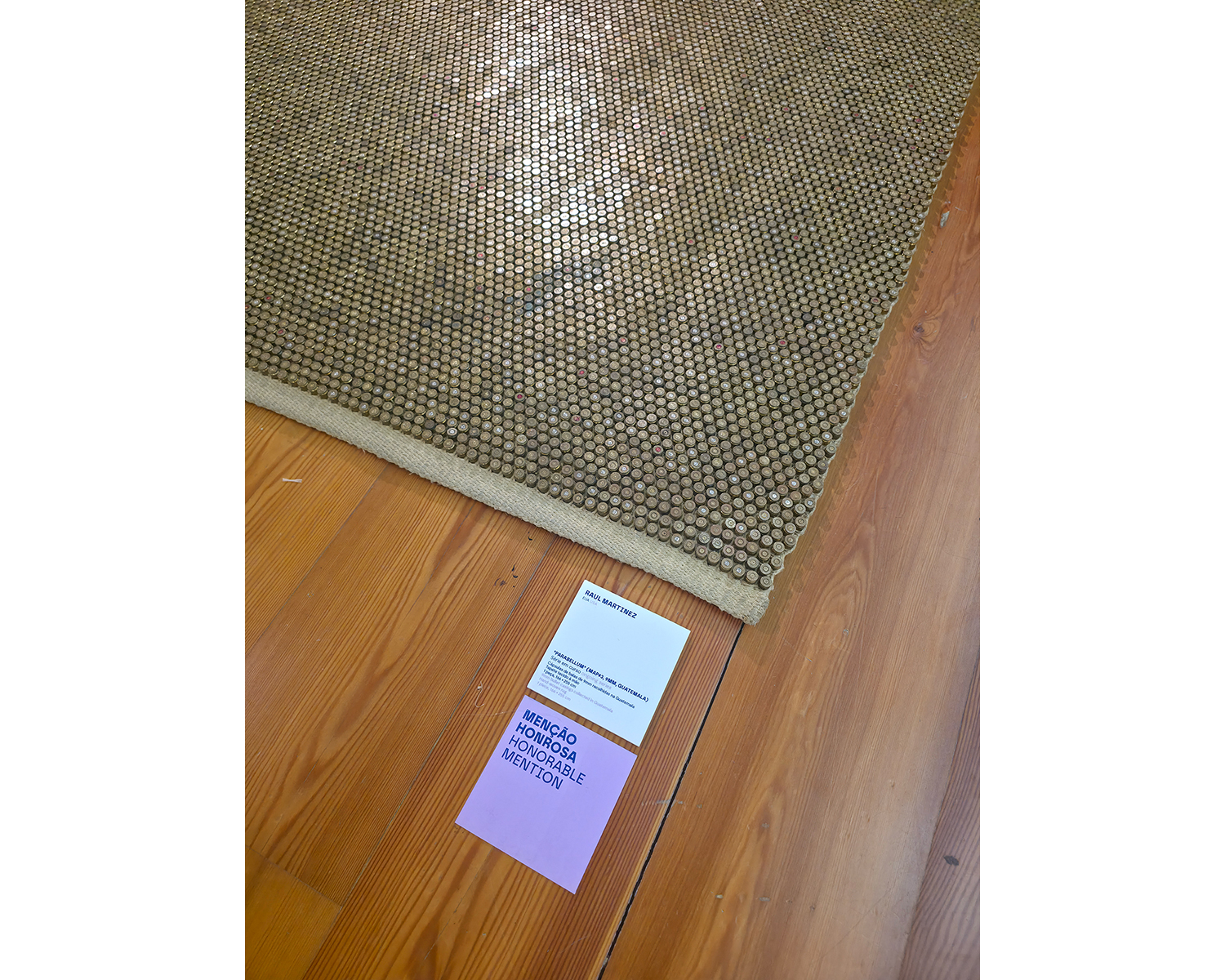
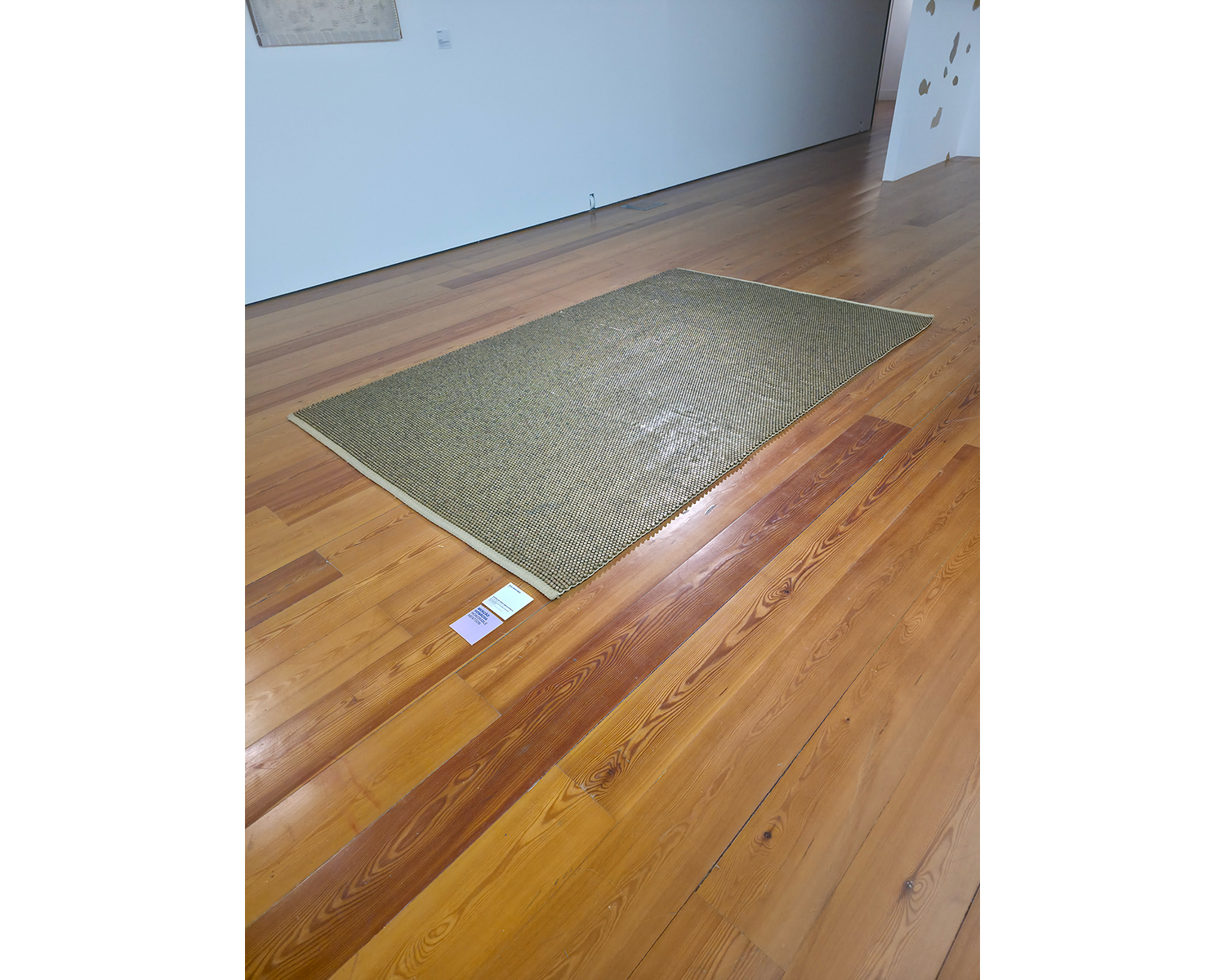
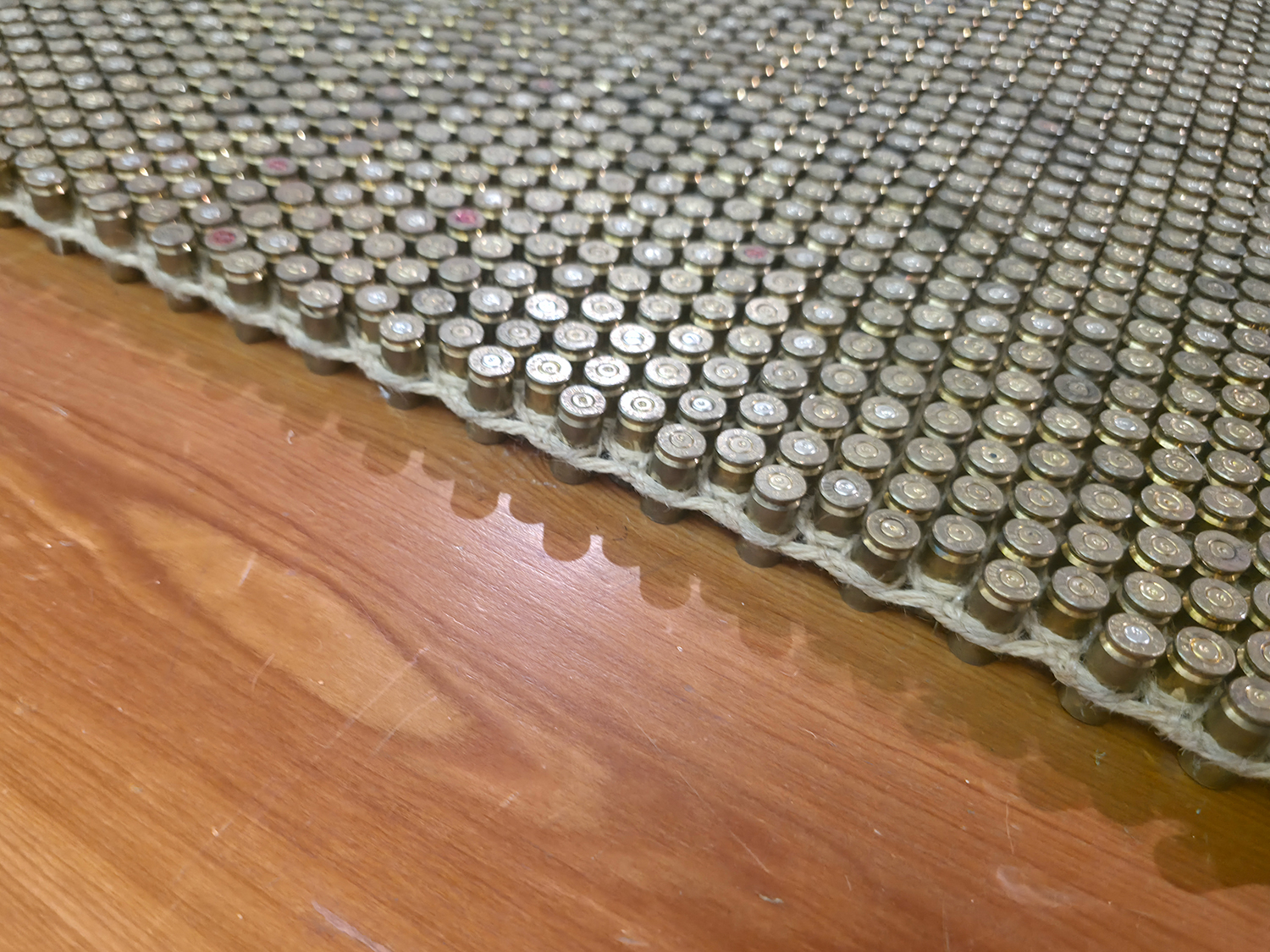
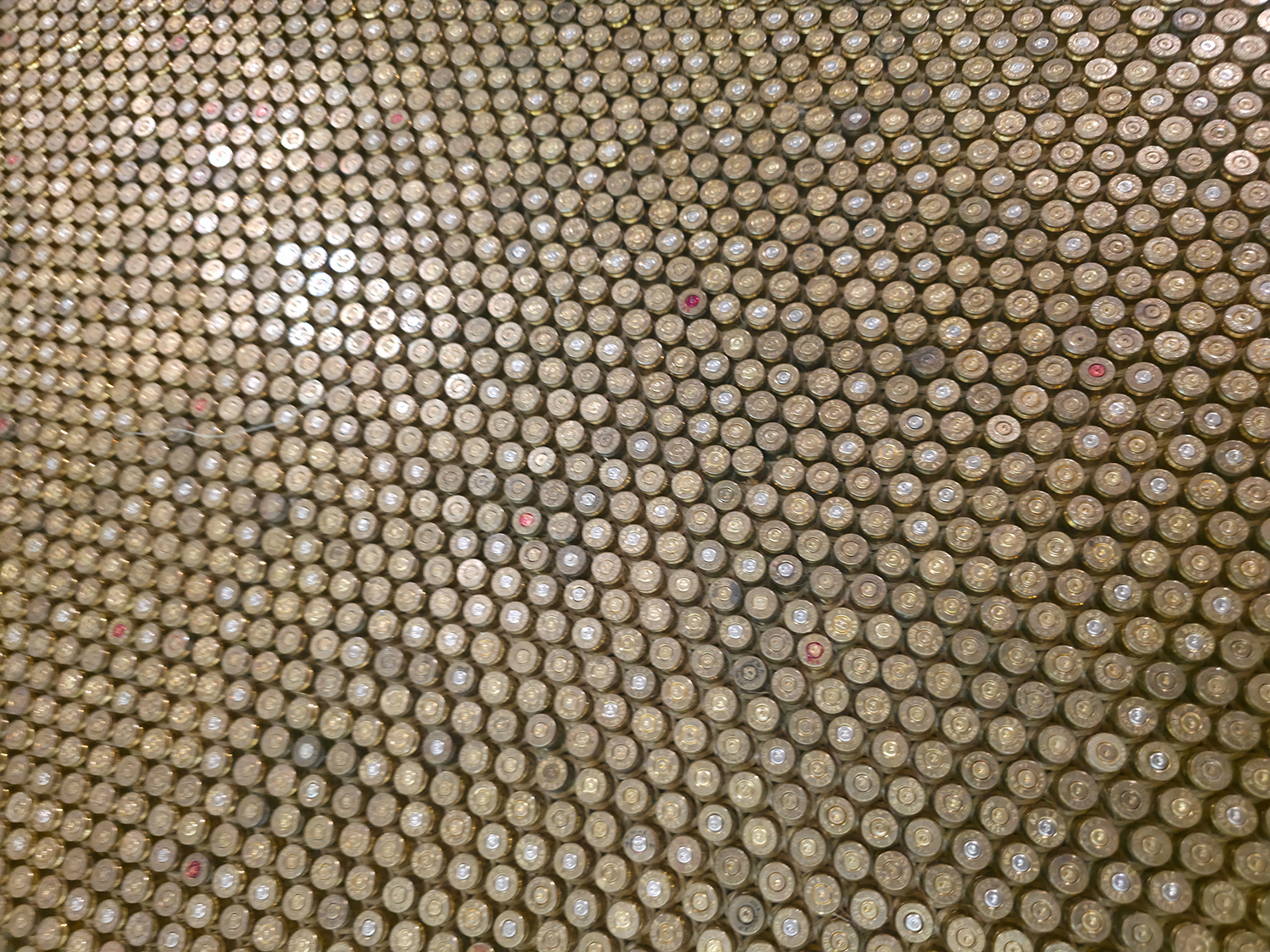
“Parabellum* (Map#3, 9mm, Guatemala)” is part of “Maps”, an ongoing series of textile works exploring the gun industry. Informed by forensic methodologies and notions of ammunition design, the project uses the headstamps found on thousands of spent cartridges as data sets to trace the global circulation of firearms.
—
Raul Martinez is an artist and curator who founded DETEXT in 2008, an online collective with a shifting roster of collaborators based in New York and Berlin. The collective uses found texts, ranging from online dating profiles and Viagra spam to gun advertisements, to examine hegemonic masculinity and the darker aspects of the American dream. They have gained international recognition for their handwoven textiles made of bullet casings, which offer a critical investigation into the global circulation of firearms.
Detext’s work has been presented internationally in biennials, museums, and galleries, in the United States, Spain, Lausanne. Their performances have also been shown in at MAD in New York and MUAC in Mexico City.